Updated June 4, 2025 12:23AM
If you buy through our links, we may earn an affiliate commission. This supports our mission to get more people active and outside.Learn about Outside Online's affiliate link policy
A Backpacker's Guide to Personal Hygiene While Camping
Staying clean on the trail might feel like a waste of time—it's just a little stench, right? But for just a few grams, you can bring everything you need to stay not-gross between trailheads.
'Flickr'
On the trail, “clean” is a relative term. Instead of wearing fresh underwear every day, you’ll learn to rotate it. A moss-covered ledge makes a great nap spot, and the “three-second rule” turns into the “brush it off and eat it” adage. Hiking is all about compromise, and you’re going to have to compromise on what “clean” means. Since learning to be comfortable with a more relaxed state of hygiene takes time and experience, this article is going to cover some common questions and answers.
Hygiene on a three-day weekend trip will look different than that on a month-long excursion.
What Are Backpacking Hygiene Essentials?
Do Bring
- Unscented, alcohol-based gel hand sanitizer
- Biodegradable soap
- Toothbrush
- Toothpaste
- Dental floss (doubles as string in a pinch)
- Cotton bandana or washcloth
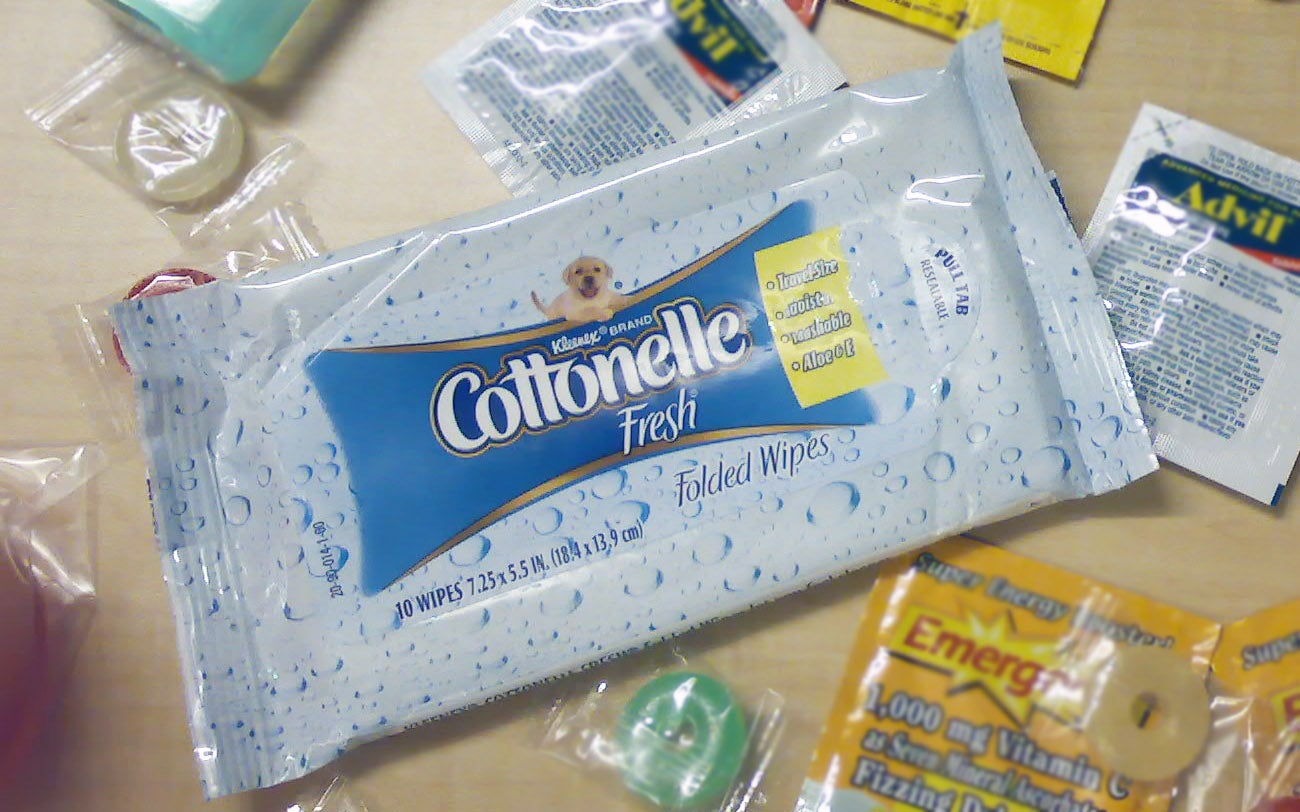
- Unscented moist towelettes or baby wipes
- Quick-dry microfiber pack towel
- Toilet paper in its own plastic bag (or: ditch it and use leaves, snow, and smooth stones)
- A menstrual cup (if necessary) or feminine hygiene products and a sealable plastic bag to carry them out.
- A sizeable plastic bag to do laundry in
Do Not Bring
- Deodorant (smells attract woodland creatures)
- Shampoo (bad for the environment)
- Razors (embrace the beard, or let your legs go)
- Mirrors (clunky and easily broken)
- Non-biodegradable products (bad for the environment)
- “Disposable” products that you’ll have to carry out (bulky and cumbersome)
ADVERTISEMENT
Hand Sanitizer Is a Backpacking Godsend
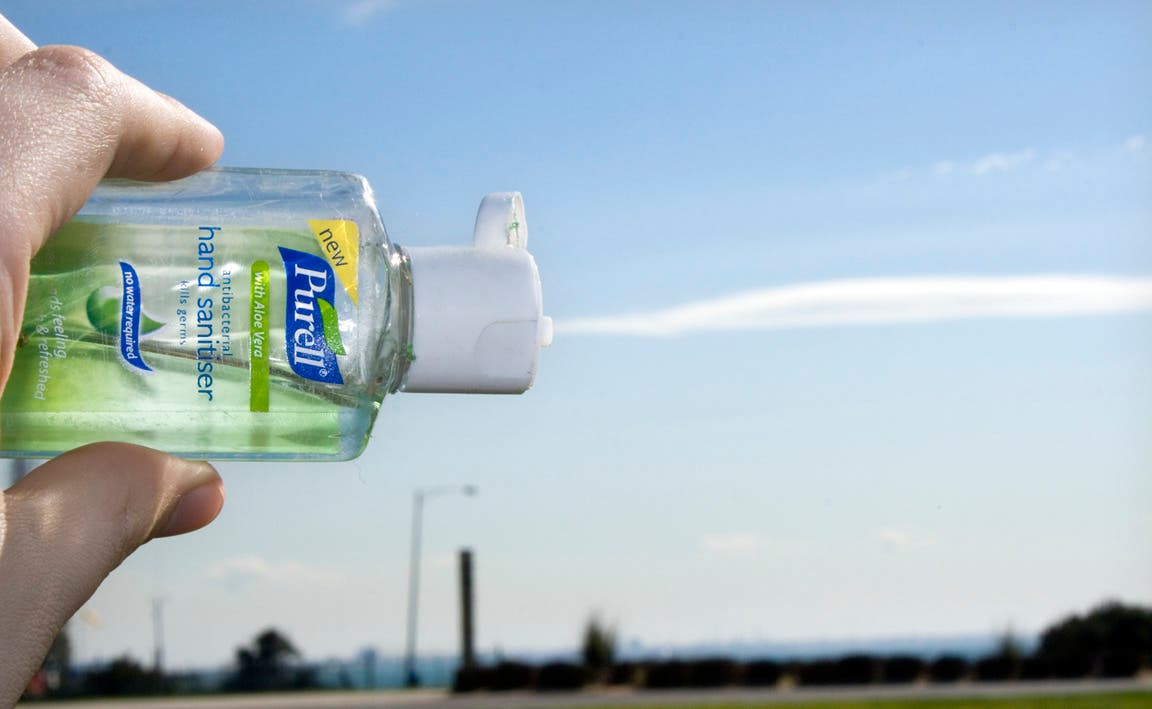
Hand sanitizer is a compact and lightweight way to kick germs’ butts. Doctors wash or sanitize (or sometimes both) their hands whenever they see a new patient. Hikers should do the same after going to the bathroom and before cooking or eating meals. If you don’t, the germs on your fingers will end up in your eyes or mouth. Hikers are quick to blame trail illnesses on contaminated drinking water, but hand-to-mouth infection is a frequent culprit too. Because washing with soap and water isn’t always convenient or available, carry a bottle of alcohol-based hand sanitizer. This clear gel contains a small concentration of ethyl alcohol that kills germs on contact. Just add a dime-size drop to your palm, rub your hands together vigorously, and wait 20 to 30 seconds for the alcohol to evaporate. Sanitizer can be used to disinfect eating utensils as well.
Use Biodegradable Soap to Preserve the Environment
When you wash your hands at home, the suds seemingly vanish down the drain. But in the woods, the phosphates in soap can promote algae blooms in lakes and streams. To protect water sources, hikers should never use regular hand or dish soap in or near water. Instead, choose biodegradable soaps that revert back to their organic ingredients, like products from Dr. Bronner’s and Campsuds. Even when using biodegradable soap, Leave No Trace guidelines assert that you should keep it 200 feet from any water.
ADVERTISEMENT
What Do You Mean, “No Deodorant?”
Despite the persuasive arguments of the Old Spice Guy, deodorant isn’t one of hiking’s ten essentials. In fact, you should always leave it at home. Why? Because deodorant does more than banish odors; it smells sweet and attracts bugs and other wildlife, including bears. After a few days without deodorant, you’ll get accustomed to your new, “natural” odor. And this fragrance won’t bother you or your hiking companions as long as you regularly wash your armpits and groin area with soap and water as described below.
Don’t let wilderness creatures smell you coming: Buy unscented items if you’re planning on bringing them on the trail.
How Do I Shower (or Keep Clean) When I’m Backpacking?
Taking a Shower
Alcohol-based sanitizer will clean hands—but it won’t disinfect your entire body (and if you tried to, it would sting like hell). To get clean after a sweaty day on the trail, you have three alternatives.
- Get in a Lake or River: Not only is a cool swim extremely refreshing, it also rids your body of sweat and dirt. Just be sure to swim away from where other hikers collect water, camp, or fish, and don’t use any soap. A flowing river has a lower chance of harboring harmful bacteria.
- Take a Trail Shower: Take a trail shower by stripping down and washing yourself with biodegradable soap, a sponge or washcloth, and several liters of water. Shower at least 200 feet from any lakes, streams, or ravines. You want to avoid fungus and chafing, so pay special attention to your face, underarms, groin, lower legs, and feet.
- Spruce Up With a Sponge Bath: If it’s too cold or impractical to take a trail shower, try a sponge bath. Strip off your clothes and squirt some water and biodegradable soap on a bandana or camp towel, then go to town. Moist towelettes also work well. (Bonus: you can dehydrate them at home, then rehydrate on the trail to save weight and space.)
Whichever method you choose, dry yourself off with a lightweight, quick-drying microfiber towel.
ADVERTISEMENT
Cleaning Up Your Nether Bits, Feet, and Armpits
You’re on the trail, and you’re walking—a lot. All this rubbing, sweating, and schmutzing can easily cause chafing. Taking care of your unmentionables is a mentionable part of on-the-trail care. Here are some tips for decreasing the likelihood of ending up red and raw:
- Leaves Vs. Toilet Paper: A leaf is less likely to leave residue on your personal areas than toilet paper. And less residue means lower chances of chafing.
- A Dedicated, Squeezable Water Bottle: No one likes monkey butt. Drying and cleaning your groin properly will help ensure that there’s no detritus lurking about, which in turn should help prevent chafing and other unpleasantness. Something small, like a four-ounce water bottle, that you can squeeze is another great way to clean yourself and ensure that things are spick and span. Just direct the bottle’s stream towards your privates; Squat wide so you don’t get anything on your boots You can use soap if you need to. Air dry for a minute, and then be on your merry way.
- Routinely Switch Underwear: Ideally, you’d have two pairs that you could switch between. That way, you can wash one pair, let it dry, and then switch to the clean pair the next day. If you’re truly in a bind, you can flip your underwear inside out and wear them for a second day. You definitely don’t want to make this practice a habit though.
- Feet: You’re going to be on these things all day. You want to keep these clean so that you don’t catch something itchy, gross, or fungus-y. Protect against these nasty experiences by changing your socks frequently, washing your feet, and giving your dogs chances to breathe throughout the day (meaning taking your shoes and socks off for a bit).
- Armpits: Don’t wear deodorant. It’ll attract bugs, insects, and maybe even bears (oh my!). Just give the ‘pits a good scrub with your biodegradable soap, and bask in the scent of eau d’ you au natural.
Dealing With a Period While Backpacking
The most eco-friendly option for dealing with periods on the trail is to use a menstrual cup, the washable kind made of silicone. While the cups themselves don’t produce waste, you’ll still need to empty them out properly. Follow typical cathole disposal practices, just like you would with other bathroom refuse. You will want to make sure your hands are very clean before putting the cup back in after emptying it. You also may want to have a practice run or two before attempting this in the wild.
Another option: Carrying around disposable products, such as pads and tampons, works as well, though you’ll have to pack out the used ones when you’re done. Or do as some hikers do and time your birth control to skip your period altogether.
ADVERTISEMENT
Caring for Your Clothes While Backpacking
What type of fabric is easiest to keep clean on the trail?
Certain fabrics are easier to care for than others while on the trail. Go for synthetic moisture-wicking fabrics (fast drying) or wool (keeps you warm when wet, and doesn’t stink). Light-weight fabrics, such as spandex or nylon, are ideal. As always, avoid cotton.
When should I change my clothes?
Maintaining good trail hygiene not only requires packing enough clothing, but also knowing when to change and clean it. Most hikers replace their sweaty shirt, pants, or shorts with cleaner, warmer clothes when they arrive at each night’s campsite. You can also change into new socks and underwear at this time—although some people wait until taking a trail shower or heading to bed. If you don’t remove your hiking clothes when you reach camp, you should change into clean and dry clothing before going to sleep. Wearing dirty clothing to bed not only sullies the inside of your sleeping bag, but it also creates a wonderful opportunity for rashes and other skin problems to develop during the night. If it’s particularly cold, you can put your next day’s clothes in your sleeping bag ahead of time so that you can change without exposing yourself to the cold.
ADVERTISEMENT
On trips lasting two days and longer, try rotating your outfits. After arriving at a campsite, take off your dirty clothes and wash them as best you can (see below for tips on this). Hang them to dry so that the clothes are ready for the next transition. You can also tie them to the top of your pack if you’re still hiking. For a typical warm-weather weekend trip (three days, two nights), I normally bring two pairs of underwear, one pair of hiking pants, two wicking t-shirts, one mid-weight insulating layer, one heavy-weight insulating layer, rain shell, and two pairs of socks. With this setup, I always have a cleaner/drier T-shirt, pair of socks, and underwear to slip on.
How Do I Wash My Clothes on the Trail?
If you’re only going to be on the trail for a few days, chances are that you won’t need to wash your clothes at all. If you’re planning on a much longer trek, this info will come in handy.
You’ll Need:
- A gallon bag (the kind with the zip is easiest to use)
- Biodegradable detergent (powder is the lightest)
The Method
- Fill your bag part way with warmer-than-tepid water. (If you’re staying put for the day, you can set a black bag in the sun to warm it up.)
- Add clothes and detergent, leaving enough room for the contents to shuffle about. You’re going to get things clean with friction, so you want to leave enough room for them to rub. Too full, and the clothes won’t be able to move around and get clean.
- Time for the spin cycle. Imitate a washer’s spin cycle the best you can, shaking the bag with vigor. Try to do this for about five to ten minutes.
- Dispose of your used water at least 200 feet away from any water source.
- Now, the rinse cycle. Refill the bag with clean water and shake a bit more.
- Wring the clothes out, and hang them somewhere to dry.

ADVERTISEMENT
Can I Wash My Clothes in a Stream or Lake?
Even with biodegradable detergent or soap, you probably want to avoid washing your clothes with soap in a stream or lake, especially if the body of water is small and stagnant. Your soap will likely affect water-living organisms more than dumping soapy water out will. However, you can hop into a stream with your clothes on to wash them without soap and give yourself and your clothes a rinse at the same time. Two wash cycles with one dip (like two birds with one stone, but with cleaning). This is an especially nice thing to do on a hot summer day, but probably isn’t advisable on a cold winter day. Caution: The anti-microbial silver nanoparticles featured in some athletic clothes are harmful to the environment, so use caution.
Can I Wash My Hiking Shoes?
After a few long trips, your footwear may start to smell ripe. And while some people can ignore it, those of us with more sensitive noses may not even want to keep our funky footwear in the house. How you deal with it depends on what kind of kicks you have. Fully synthetic trail runners can go in the washing machine as-is. Hiking in leather or heavy boots? Buy a set of stink-absorbing fresheners, like Arm & Hammer Odor Busterz.