Published February 26, 2015 05:42PM
How to Pack a Backpack Efficiently
Is your pack a mess? Read these tips on how to fit a week's worth of gear into your regular weekend bag.

'Don't pack piecemeal—lay out everything that you reasonably think you need to bring and strategize from there. [photos by Abbey Dufoe]'
Get Organized
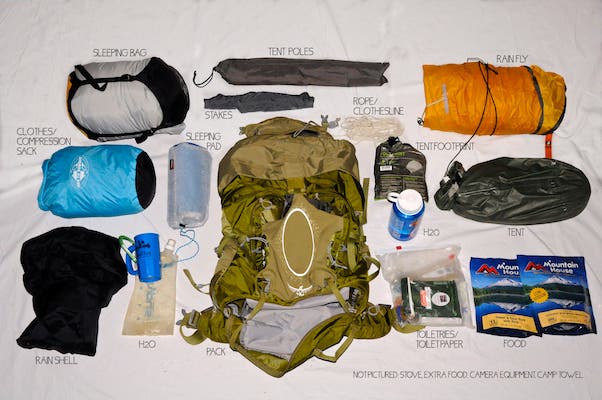
Don’t pack piecemeal. Lay out everything you think you’ll need to bring and strategize from there.
Think Big
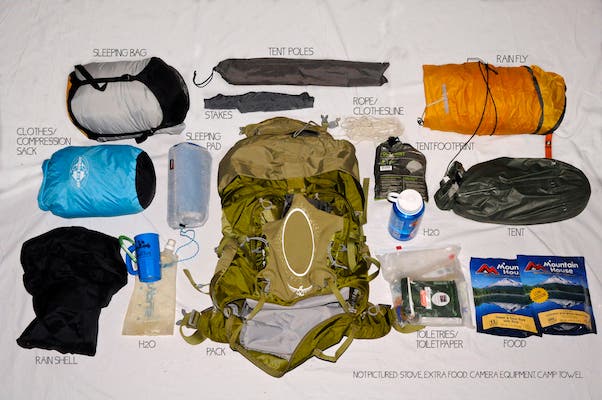
Get your big items situated first. Keep weight low and centered. Fuel should be placed at the very bottom of a pack in the event of a leak. Put your cookware in the center of your pack, close to your back panel.
Don’t Forget the Small Stuff(sacks)
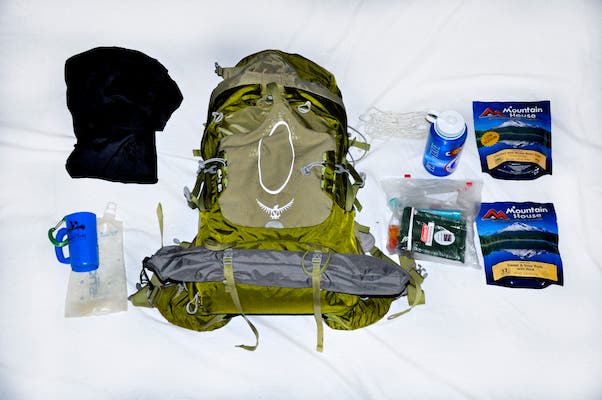
Compression sacks are also your best friend for slimming down puffy items like sleeping bags. (Just don’t store them in there or you’ll lose your loft over time.) Bonus: water protection in case of a downpour.
ADVERTISEMENT
Leave the Closet at Home
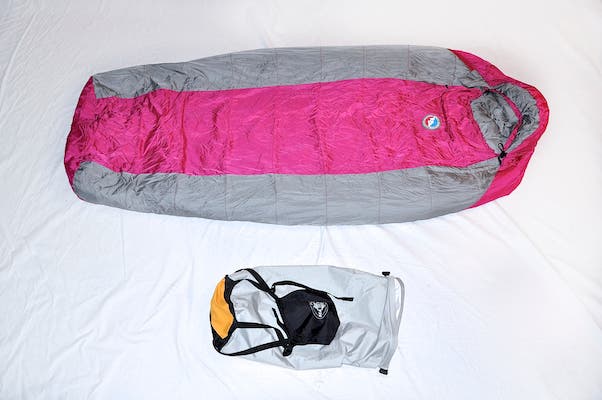
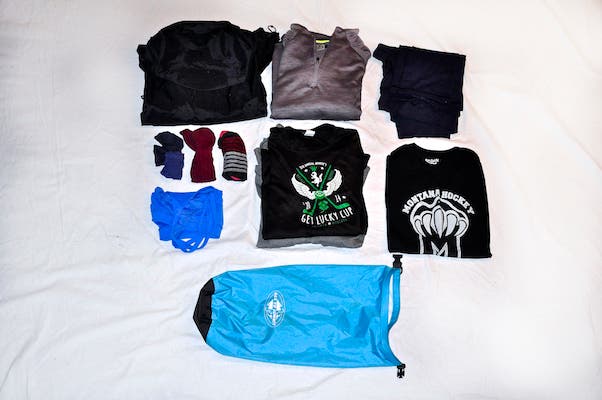
Look at the amount of clothing you plan to bring, then cut it in half. It’s not a wilderness experience otherwise! Pick baselayers that can provide both breathability and warmth. (For maximum stink-resistance, go for wool.) Roll, don’t fold (or better yet, use a compression sack).
Break the Rules
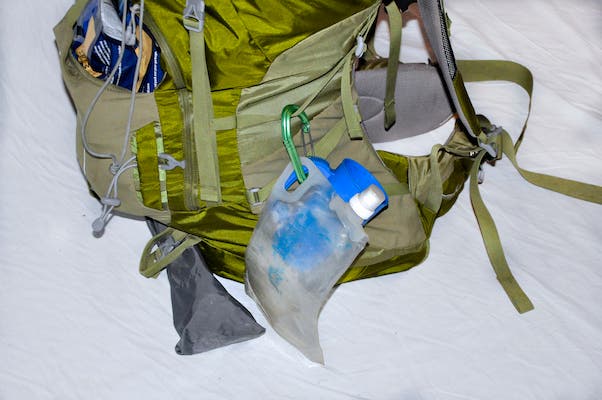
Normally we frown on clipping things to the outside of your pack, but there are some exceptions: Attach lighter items to the front of your pack with carabiners, taking care to balance out each side. Use external loops and straps to secure awkwardly shaped items like tent poles and sleeping pads. Deflate your dry food packages with a pin and cover the hole with tape.
Keep Important Items Handy
Put survival items in brain of the pack for fast emergency access. Shells and outerwear can be stuffed in the front and side pockets (mesh outer pockets are a great place to dry out your gear).
ADVERTISEMENT