Published June 27, 2018 04:04PM
12 Edible Bugs That Could Help You Survive
In many parts of the world, entomophagy, or eating bugs is commonplace. Insects are actually the most abundant protein source on the planet, and many of them boast dense concentrations of nutrients like omega 3s. If two billion people can invite insects to the dinner table, it shouldn't be too much of a stretch for you to include edible bugs in your emergency-survival diet.

'Jim, the Photographer'
In many parts of the world, eating bugs is commonplace. Insects are actually the most abundant protein source on the planet, and many of them boast dense concentrations of en-vogue nutrients like omega 3s that we buy at fancy grocery stores. If 2 billion people can invite insects to the dinner table, it shouldn’t be too much of a stretch for you to include edible bugs in your emergency survival diet.
So, which bugs can you catch and eat?
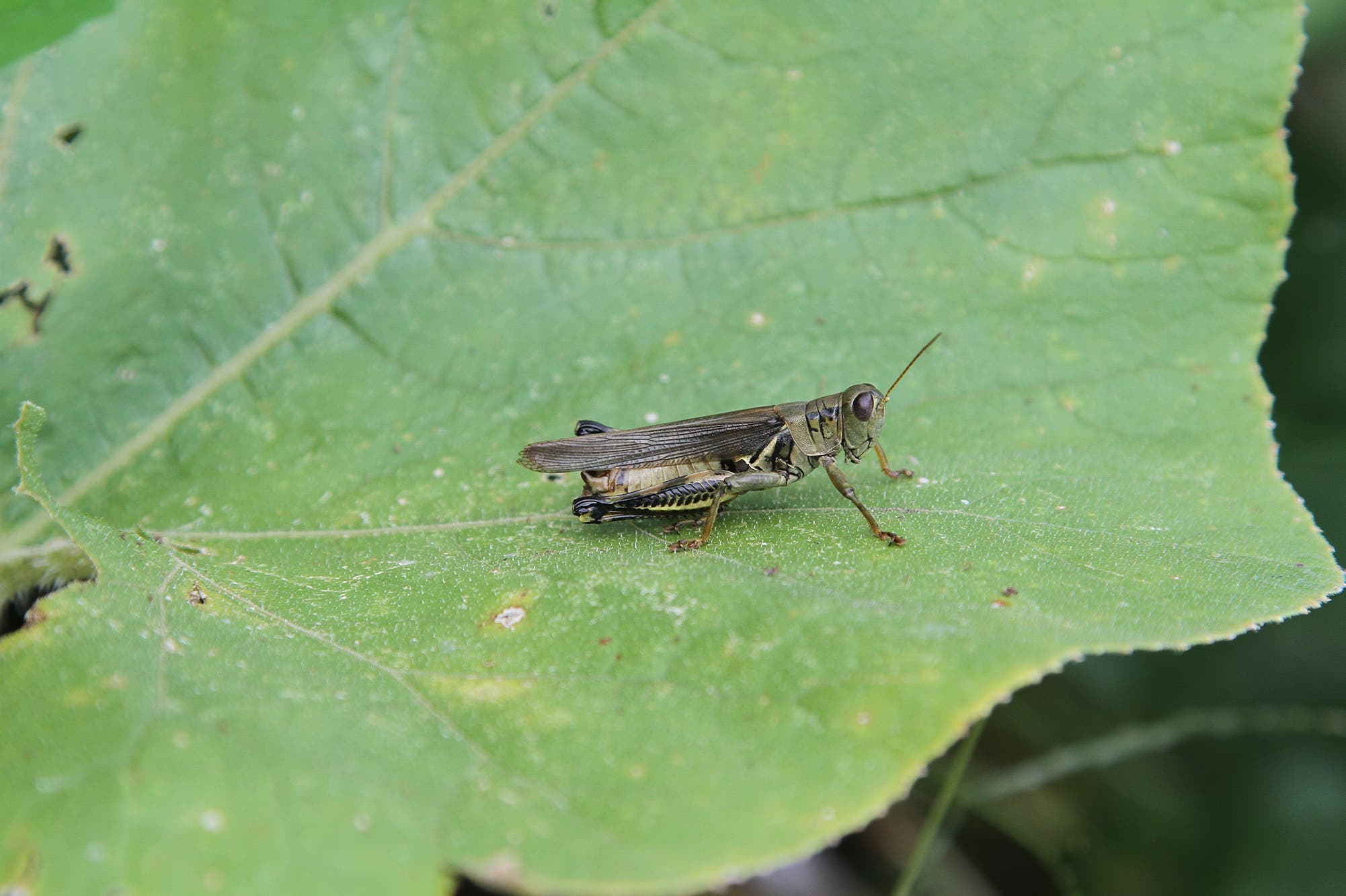
Grasshoppers and Crickets
Grasshoppers and crickets are extraordinarily protein-rich, and you can collect them pretty much anywhere. Most types of grasshoppers and crickets are edible. If you want to try it without picking legs out of your teeth, you can try a store-bought food product called cricket powder, or cricket flour. Cricket powder is very high in protein, has similar baking properties to regular flour, and has a slightly nutty flavor. If you do decide to go wild, remember: They can carry nematodes, so remember to cook them before you eat them.
How to Catch Them
When and Where: Grasshoppers are easiest to catch in the early mornings when they move more slowly. Look for crickets in damp, dark places first: under rocks, logs, and other large objects. Also check in tall grasses, shrubs and trees. Try shaking branches above a shirt, sleeping bag or other piece of fabric, and see if any edibles fall onto it.
Things You Need: Hands, a wool blanket or flannel shirt, or a water bottle and some over-ripe fruit
Method:
By hand:
- You can catch crickets by using your hands to snatch them up. This is hopefully self-explanatory (chase them down and catch your dinner). If you have to catch them by hand, they’re fast, so err on the side of overkill and grab the entire area of ground surrounding the cricket. Alternatively, hunt them in the early morning chill, when the cold-blooded critters are still sluggish. The best container to put them in is something with a lid.
By wool blanket/flannel shirt:
- If you happen to have a wool blanket or a flannel shirt, place it in the middle of a field or location where grasshoppers seem to be plentiful.
- Chase the hoppy little bugs onto the flannel/wool. Their feet will get caught in the fibers a little, hopefully giving you enough time to pluck them off (or out of the air).
By bottle:
- You can trap them by cutting the top off of a plastic water bottle (an open Nalgene works too), burying it in the ground, and dropping some over-ripe fruit in it. If you don’t have any fruit, a glow stick or light works almost as well (they’re attracted to it). If you drop in a few small pieces of cardboard or leaves, the crickets will hide under them instead of trying to escape.
- Leave it overnight, and in the morning, you’ll find breakfast hopping around inside.
ADVERTISEMENT
How to Eat Them
- To prepare crickets and grasshoppers, pull off their heads and the entrails should come with; discard both. The entrails are edible, but removing them reduces the risk of parasite transmission. For this reason, always cook the bugs before eating them.
- Remove the wings and legs.
- Dry roast them if you have a pan, or skewer them and roast over flame if you don’t. You can char them if you prefer.
Poisonous Grasshoppers
While the majority of grasshoppers are safe to eat, there are a few exceptions. Avoid any brightly-colored specimens, such as the eastern lubber (common in Texas and some other southern states), which can make you sick.
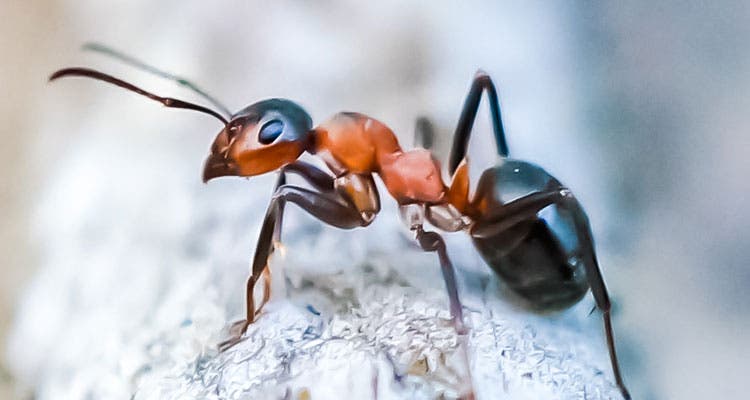
Ants
How to Catch Them
When and Where: Anywhere at any time. They’re sort of ubiquitous.
Things You Need: Hands, a stick if you want to make things easier on yourself
Method:
- Just scan the ground, and you’re sure to eventually find a skittering battalion of ants. They march in straight lines, so they’ll lead you straight to their home base.
- One good way to collect them is to hit an anthill or other habitat (like a rotting log) with a stick a of couple times, then put the end of the stick in the opening.
- As ants rush to bite the stick, dunk it into a container of water—ideally the container you want to cook them in. Repeat until you have a few hundred.
ADVERTISEMENT
How to Eat them
- Capture as many as you can, putting them straight into the water so that they drown while you catch more. Once you’ve caught a sizeable portion, boil them for about six minutes. This will neutralize the acid in their bodies. If you have to eat them raw, just make sure they’re dead first so they don’t bite you.
Termites
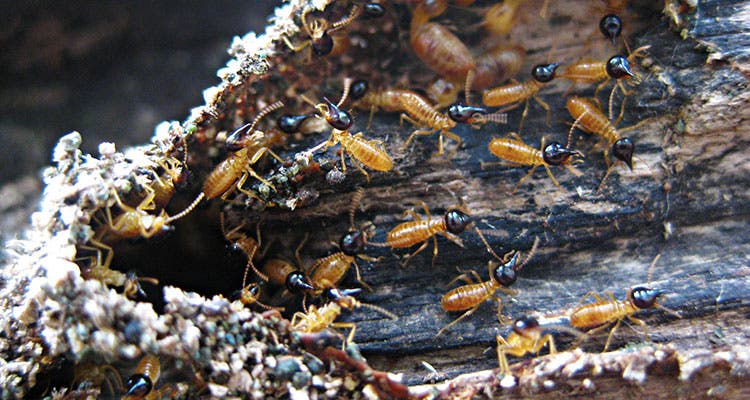
Termites are a great source of protein, and since they live most of their lives buried away in wood, they are less likely to carry parasites than other insects. Mature adult termites have wings and can fly. The other stages (larvae, workers, soldiers, nymphs, queens, etc) can’t fly, so they’re easier to snag. In some cultures, termite queens are regarded as a delicacy. Who knew you could eat like royalty while eating insects?
How to Catch Them
When and Where: Termites love wood. It’s their main food source. So crack open a cold log, and collect your dinner.
What You Need: Hands
Method: Break open a punky log and grab them or shake them out fast. As soon as they see light, they’ll crawl deeper into the wood.
ADVERTISEMENT
How to Eat Them
- Roast them in a dry pan. You want these critters cooked up crispy.
Grubs
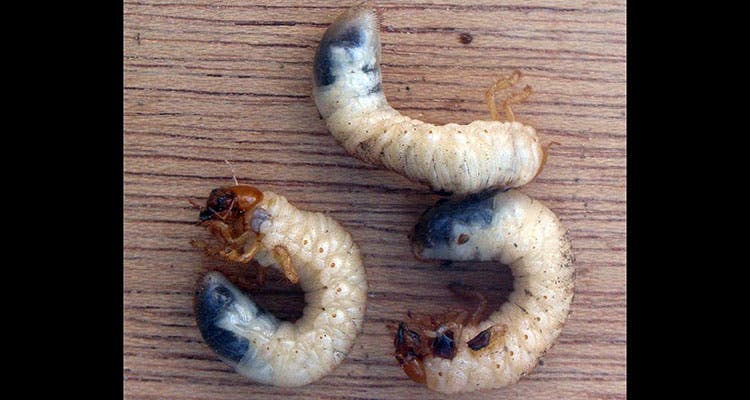
Is this the one you dreaded reading about? When someone says “grub,” they’re typically referring to the larval stage of a beetle. There are over 344 grub species consumed around the globe, including the witchetty grub in Australia, palm weevil grubs in some Asian countries, giant water bugs in North America, and mopane worms in Africa. Some of them are small and crunchy, like mealworms, and some are fat and juicy, like rhinoceros beetle larva.
When and Where: The best place to collect them is in rotting logs. You can also try stripping bark off of living trees, or searching under rocks and leaf litter.
What You Need: A stick or a rock
Method
- Find a rotting log.
- Strip the bark off of the log or smash the log. Or strip the bark, harvest the grub (pun intended), and then smash the log to see if there’s any more inside. Grab them with your fingers—they’re not exactly fast.
ADVERTISEMENT
How to Eat Them
Skewer them lengthwise with a long stick and cook over an open flame until the skin is crispy.
Woodlice
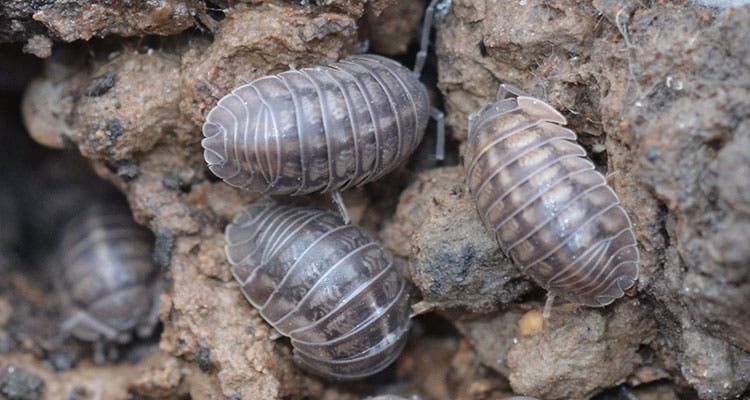
Also called “sow bugs,” “potato bugs,” “roly polies,” or “pill bugs,” woodlice are actually not a bug at all. They’re the only terrestrial crustacean in North America and have a flavor that’s similar to shrimp. In fact, they’re even called “land shrimp” sometimes.
How to Catch Them
When and Where: They are extremely easy to collect. Overturn rocks and logs or sift through dead leaves, and you’re sure to find some.
What You Need: Hands, something to collect them in
Method:
- Push things over.
- Collect bugs.
ADVERTISEMENT
How to Eat Them
- Drop them in boiling water, and leave them there for a while. They can carry nematodes (better known as parasitic roundworms—things you don’t want freeloading in your intestines), so be sure they’re thoroughly cooked.
- When they’re done, strain the water out and eat.
Earthworms
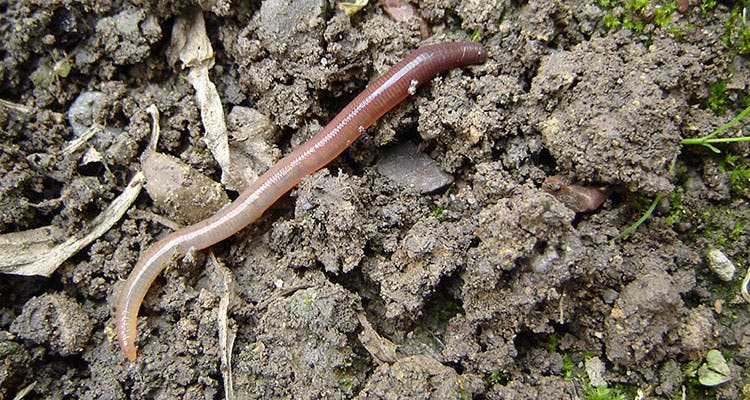
Are worms technically bugs? No. Not even close. But they are edible. You’ve probably played with these more than you’ve eaten them. However, things are about to change since, well, you’re here. If push comes to shove, you can go scrounging for these wriggly morsels. Maybe thinking of them as free-range, very fresh spaghetti will help them slide down your gullet easier. Remember to squish out the poop before you eat them. Bon appetit!
How to Catch Them
When and Where: If it just rained, spotting these wigglers should be pretty easy. They’ll be everywhere. If it hasn’t just rained, ferret about for them in damp soil, in decomposing flora (such as leaves and wood), or under rocks.
What You Need: Hands, something to put them in
Method:
- Find something they’re likely to be under or in.
- Investigate the location.
- Collect.
- Enjoy them al dente (but, like, make sure they’re cooked).
ADVERTISEMENT
How to Eat Them
- While worms can be eaten raw in an emergency, you should cook them if at all possible. Like most of the things on this list, they can potentially carry parasites—and the parasite potential should motivate you to cook them first. Not to mention the extremely unpleasant prospect of eating a live worm.
Stinkbugs
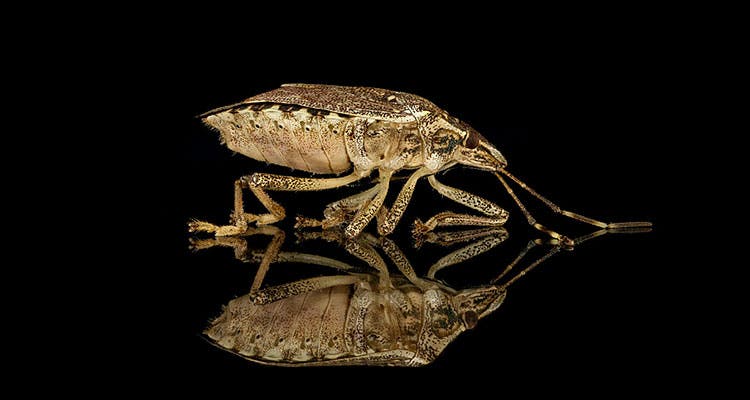
Yep, believe it or not, stinkbugs are edible. Generally speaking, you shouldn’t eat noxiously odiferous bugs. Stinkbugs, however, are the exception. They’re just fine to send down that hatch (after you cook them, of course). They are even considered a delicacy in Mexico, where there’s an annual festival in Taxco to celebrate them.
How to Catch Them
When and Where: In the winter, you will probably find them hiding under rocks, logs, or other cover. Otherwise, you’ll see them parading arrogantly across open ground. You’ll recognize them because they look like a traditional medieval shield, straight across on the top and coming to a point on the bottom.
What You’ll Need: Hands, container
Method:
- Stalk.
- Pounce.
- Profit.
ADVERTISEMENT
How to Eat Them
Some people eat them raw, but maybe try not to be one of those people if you can. To rid stinkbugs of their stinkitude, soak them in warm water for 5 to 10 minutes, and then cook extensively by roasting in a dry pan. They are said to have an “iodine” taste.
Scorpions
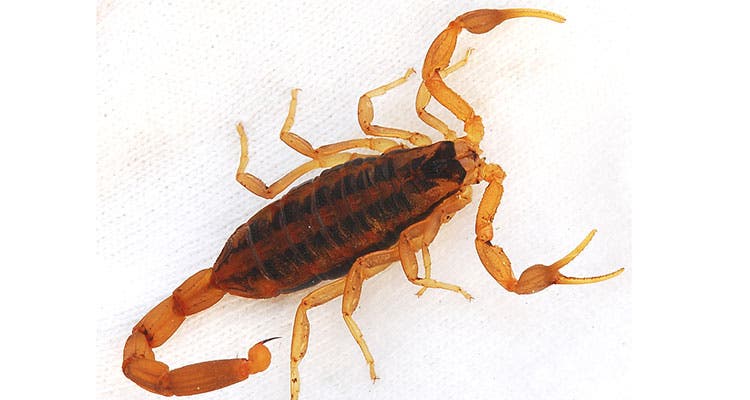
Scorpions are a common street food in China and can be found in California, Arizona, New Mexico, and other Southwestern states. They taste a bit like crab. If you decide to dine on scorpion, make sure that you cut the stinger off first. Usually the venom is produced and stored in the top two or so segments of the tail. And make sure you cook them! Cooking generally negates the venom’s poisonous properties, but you can still have an allergic reaction to it. Unlike a bee or wasp, you’re not likely to get stung by a scorpion after it’s dead. If you’ve never eaten scorpion before, however, it might be best to avoid these—but if you’re in a survival situation, you might not have a choice.
How to Catch Them
When and Where: These living, dangerous thumbtacks reside in dens. You’ll have to find a den if you want scorpion for dinner.
What You’ll Need: A jar with a lid, hands (or something you prefer to dig with), a murder weapon (like a stick or a knife—probably don’t use your hands for this one).
Method:
- To catch them, first find their dens. They’ll be low to the ground, burrowed under overhanging rocks or logs.
- Dig a hole right in front of the burrow, large enough to accommodate an open-mouthed jar, water bottle with the top cut off, or cup.
- When the scorpion emerges at night, it will fall into the jar and be unable to climb out.
- Kill it with a stick or a knife while it’s still in the jar.
- Cut off the stinger.
ADVERTISEMENT
How to Eat Them
- Roast over a fire or coals until it’s well browned.
Earwigs
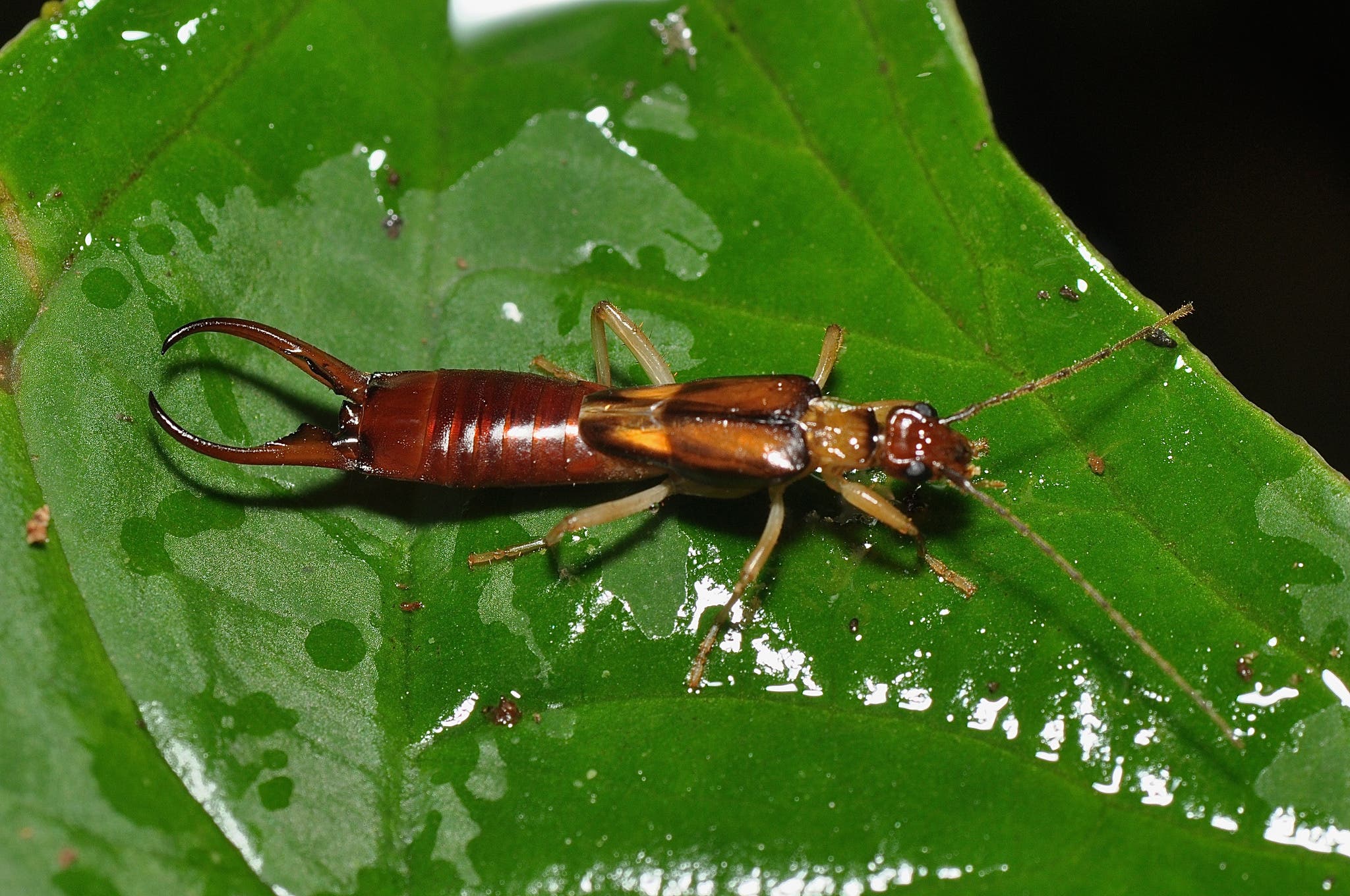
Have you ever lifted up a pot in the garden and seen a horde of critters flee away into the grass? That could be your lunch escaping. Earwigs are edible and safe to eat. They don’t have stingers. They don’t have venom. They look like a cross between an ant (the head portion) and a scorpion (the pincher bits), and are about the size of one of those flattened pennies you get at a fair. When agitated, they might try to attack with their pinchers, but those pinches usually don’t break the skin or even hurt very much.
How to Catch Them
When and Where: Like most of the other bugs on the list, these guys are pretty easy to find. They live under things. They’re pretty fast but also pretty harmless. Looking under logs and things that look like they’ve been undisturbed for a while is a good place to start. They like dark, wet places.
What You’ll Need: Hands, container
Method:
- Find something to wiggle, like a rock or log, and have your container ready.
- Disrupt the rock or log and be ready to capture your lunch.
- Toss the bugs in a container.
ADVERTISEMENT
How to Eat Them
- Get your fire roarin’ (or purring, it’s up to you).
- Sauteé your dinner. You want your ‘wigs nice and crispy.
- Once they’re fully cooked, you’re good to enjoy your dinner.
Aphids
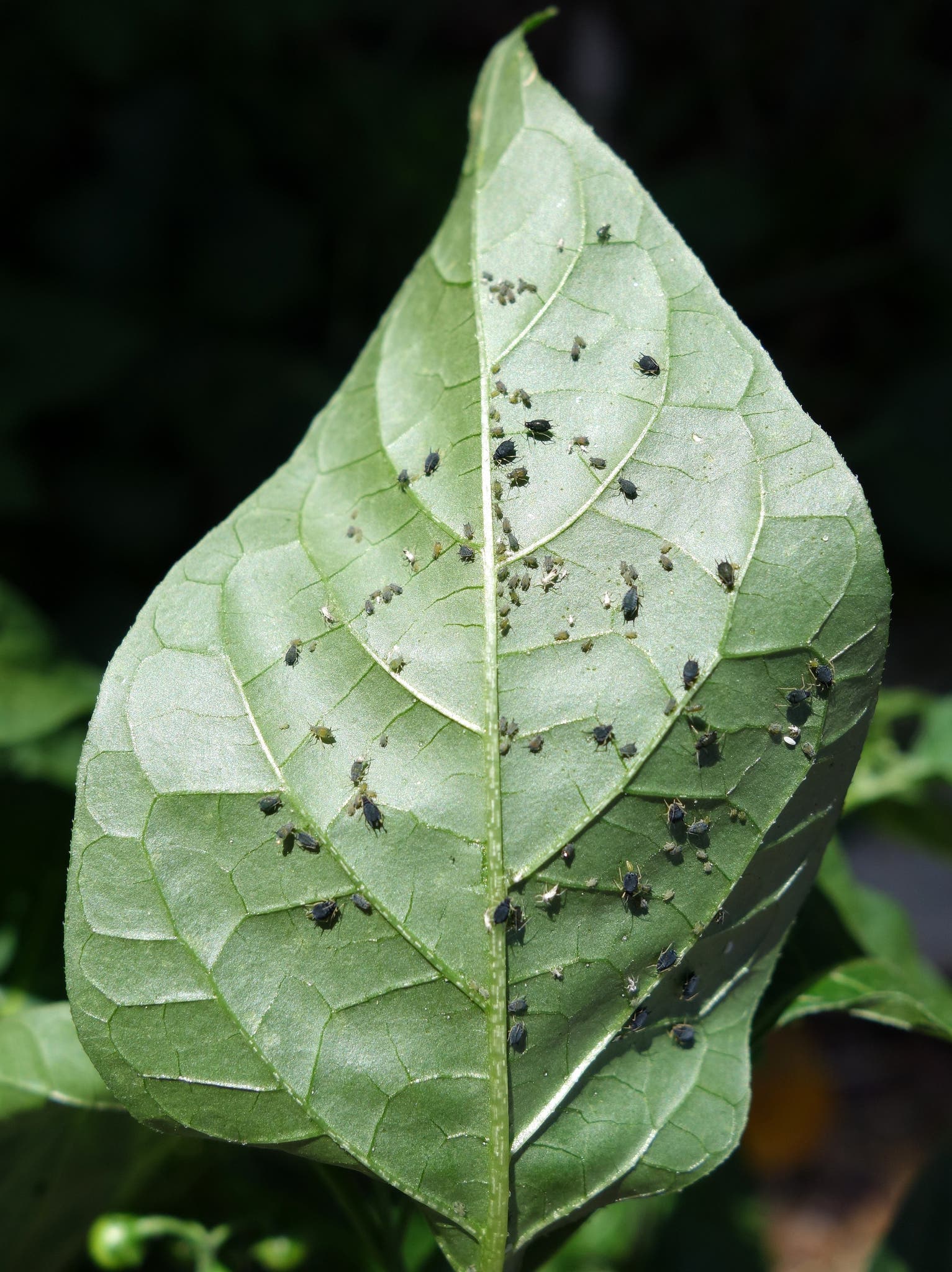
Do you remember that children’s book “The Grouchy Ladybug”? The tale’s protagonist is in search of dinner: aphids. Aphids are tiny little insects that love sweet, sweet sap. They’re often green or black, but come in a wide variety of colors. They’re very small—you could probably fit more than 50 on a penny. Now, you get to be the Grouchy Ladybug—but you don’t have to share like the ladybug did.
How to Catch Them
When and Where: Aphids live on plants. There are many different types of aphids, and they have different plant preferences. If there are plants around, you’re sure to find an edible variety. What they feed on can affect what they taste like, ranging from slightly bitter to sweet.
What You’ll Need: Hands, a container that holds water
Method:
- Brush them off into some water so they can’t escape.
ADVERTISEMENT
How to Eat Them
- Boil them and enjoy.
Maggots
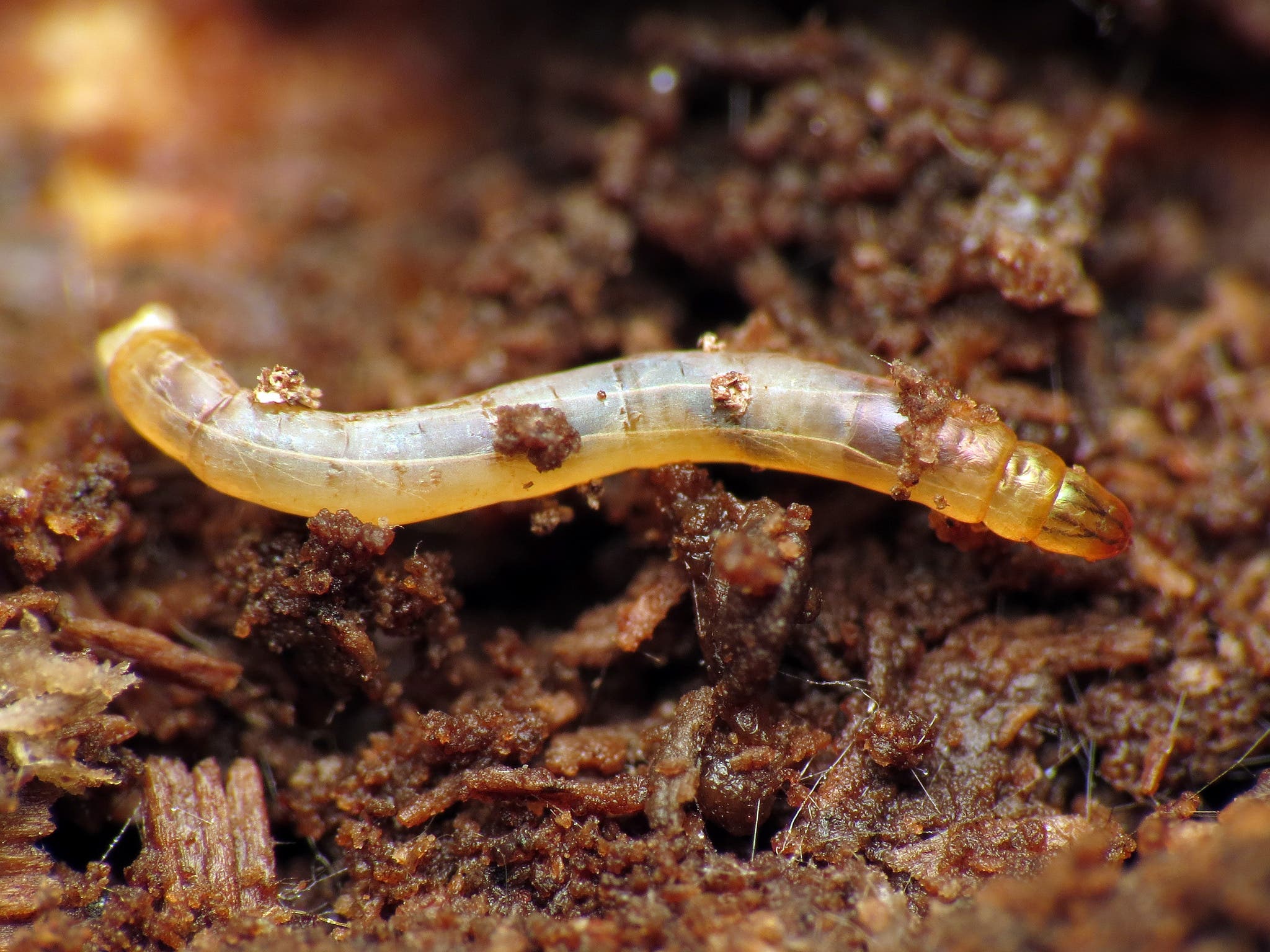
Grubs and maggots are a bit different—even if they’re both pretty gnarly and maybe not prime snack material. Grubs are fat, juicy, and usually white in color. Maggots are thin, yellow-brownish, and legless. “Grub” usually refers to beetle larvae, while “maggot” usually refers to fly larvae. They are both edible though. So they’ve got that going for them.
How to Catch Them
When and Where: There are many different types of maggots. Some maggots live in rotting flesh and spoiled meat. While rotting meat isn’t safe to eat, the maggots are (but cook them first!). They also tend to live in rotting vegetables and fruit. Some even live in water. Maggots are incredibly high in protein and other beneficial nutrients.
What You’ll Need: Hands, container
Method:
- Find a source to harvest them from. If you’ve got time, and some spoiled fruit, you can create your own by leaving it out.
- Collect.
ADVERTISEMENT
How to Eat Them
- Boil or saute to kill any potential lingering germs.
- Enjoy your Lion King-esque feast.
Dragonflies
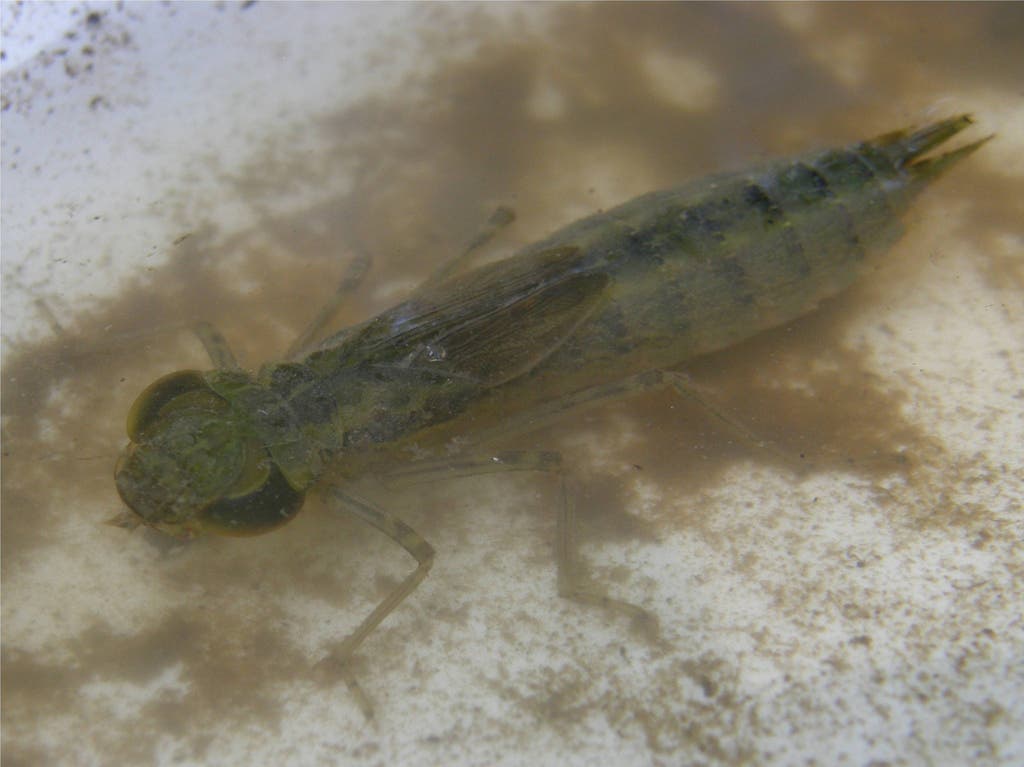
Dragonflies are the most common in the spring and summer months. They more or less have two life-cycle stages: nymph and adult. Both of these stages are edible—though one is much easier to catch than the other. While they’re in their nymph stage, they’re often green, about the size of the fist two segments of your pointer finger, and water-borne. Much easier to catch when they can’t zoom away! Their adult stage is what you’re used to seeing: a fully grown dragonfly. These are edible, but can be a pain to catch because of how fast and dexterous that are.
How to Catch Them
When and Where: Dragonflies can’t bite hard enough for a human to feel it, and they don’t have stingers. Both the larval stage and the adult stage are edible. The larval version is probably easier to catch, though. Dragonfly larvae live in water and are more common in the spring and summer months.
What You’ll Need: Hands, optional net
Method:
- Larvae: These live in the water and sometimes attach themselves to aqueous plants. You should be able to pretty easily just pluck them out of the water.
- Adult: Dragonflies at this stage can fly—and they’re fast. Like, Back to the Future DeLorean fast. Catching them without a net will probably be difficult, unless you’ve mastered some kind of quick-snatch ninja move. Or maybe this is an opportunity to perfect your dragon-fly-snatching technique. Sneak up on them while they’re resting on something, and see if you can’t catch yourself some dinner.
ADVERTISEMENT
How to Eat Them
- You only need to cook these for a few seconds, just enough to kill any germs.
- Pulling the wings and legs off is optional but might make them literally easier to swallow.
Which bugs are safe to eat and where can I find them?
| Name of Insect | Where Can I Find Them? | Peak Season? | Active Day or Night? | Cook Them? |
| Grasshoppers and Crickets | In grass | Summer months (can be found year-round) | Grasshoppers day; crickets night | Yes; pull off head and legs |
| Ants | Everwhere | Weather-dependent: after rainstorms and during droughts | Day | Yes |
| Termites | in decomposing wood | Spring | Day | Yes |
| Grubs | In rotting logs; one to two inches deep in loamy soil | Late summer/early fall | Either (they’re eggs, so they’re really not on the move) | Can be eaten raw, but yes, cook them |
| Woodlice | In rotting vegetation (like a pile of leaves or dead wood) | Spring, autumn and winter | Day | Yes |
| Earthworms | In dirt (or above ground if it’s just rained) | Spring (when it’s wet) | Day | Yes |
| Stinkbugs | Around crops and gardens | March – September | Night | Yes |
| Scorpions | In dens; under logs, wood, clutter | Most active in the summer (can be found year-round; usually inactive in the winter) | Night | Yes; cut off stinger |
| Earwigs | Under rocks; in dark, damp places | Fall (can be found year-round) | Either | Yes |
| Aphids | On plants | Spring | Day | Yes |
| Maggots | In carrion; under wood; in fruits and veggies | Black fly maggots peak late May/earlyJune | Either | Can be eaten raw, but yes, cook them |
| Dragonflies | Near water sources | Spring/summer | Day | Yes, pull off wings and legs |
Edible Bugs You Probably Want to Avoid Eating
These bugs are edible, but either harder to find or riskier to collect and eat. You may want to exercise caution before eating these—or at least know what you’re getting yourself into.
- Slugs and snails
- Tarantulas
- Bees and wasps
- Caterpillars
Slugs and Snails
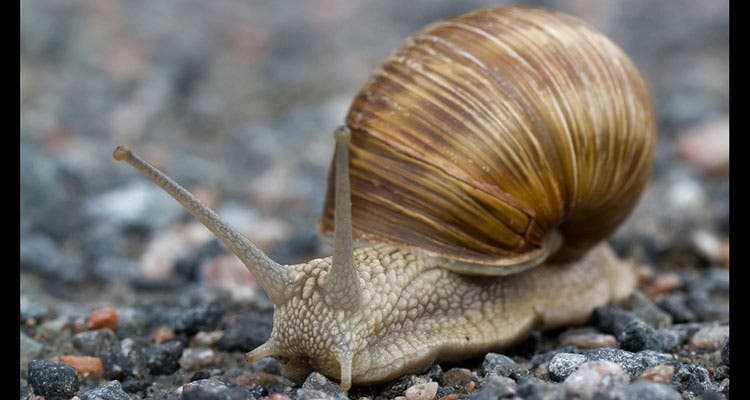
While their flesh is benign, there’s a high enough likelihood that they’ve fed on something toxic—like poisonous plants or mushrooms—to make eating them inadvisable. The ones that you eat in a restaurant have been fed safe-to-eat plants; the people preparing them know exactly what those snails were eating. The same can’t be said of an in-the-wild snail’s diet. If you wild snails or slugs, you risk contracting rat lungworm, which can turn into eosinophilic meningitis (causing severe brain and nervous system damage). These diseases usually hide in the digestive tract of the slugs and snails, so cooking them won’t necessarily guarantee that they’re disease-free system. If snails are your only meal option, you can also feed them plants you know aren’t poisonous for a week before eating them. Then be sure to cook them thoroughly.
Tarantulas
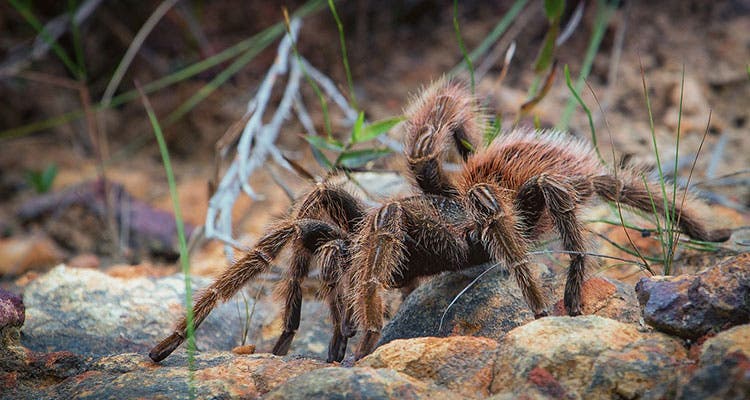
Fun fact: fried spider is a delicacy in Cambodia. Remove as much hair as you can, and don’t eat the fangs. If you cook them, curled legs are an indicator of how done they are and how well cooked the insides are. One of the most common edible spiders is the Thai zebra spider, but it is venomous and aggressive.
ADVERTISEMENT
Bees and Wasps
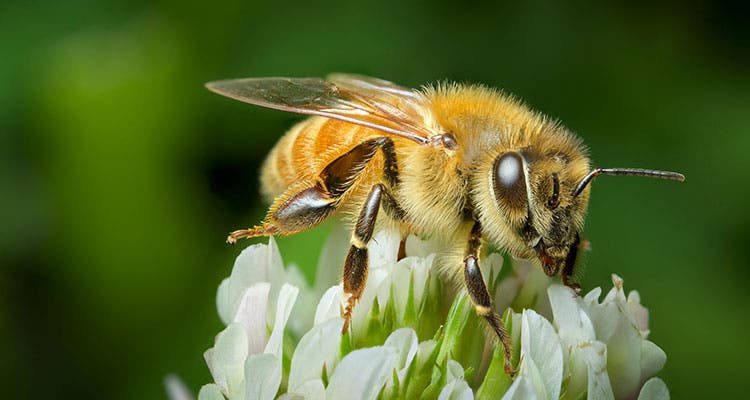
Cut off the stingers and legs. Cook well. But be forewarned: These fliers are dangerous to catch. If risking stings is worth it (or you don’t have another choice), you can try plugging the hive, and then smoke the whole thing with some sort of improvised torch to kill everything inside. These are on the “honorable mention” list only because they’re hard to catch and will attack you without remorse. That said, bee larvae can be eaten, and they’re less likely to fight back.
Caterpillars
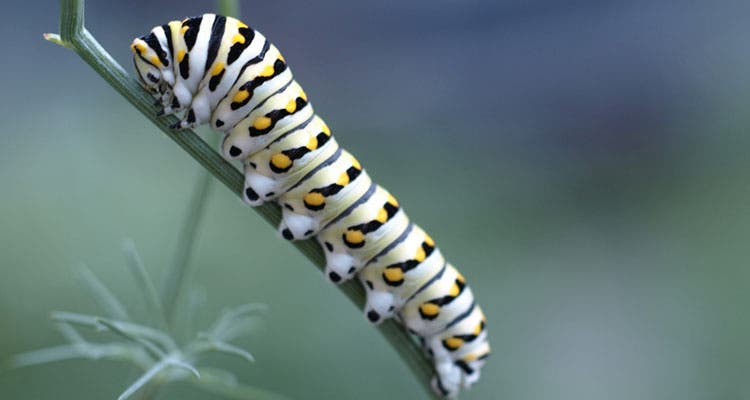
Some are toxic, like the giant silkworm moth and the puss caterpillar. Bright ones and hairy ones tend to be toxic, but that isn’t a set-in-stone rule. So either do some research about the area you plan to be stranded in or proceed with extreme caution. If you’re stranded and looking to survive, this probably isn’t the best gamble.
Which Bugs Shouldn’t I Eat and Why?
| Bug | Don’t Eat It Because… |
| Slugs and Snails | You don’t know what they ate. They love eating poisonous plants. Cooking them doesn’t boil out this poison. They also carry rat lung worm (and it’s as awful as it sounds). |
| Tarantulas | They have no qualms about jumping on you and attacking you. They’re aggressive. |
| Bees and Wasps | These guys will kamakaze you. You could get stung by them. Other insects are likely more readily available, and they’re definitely less likely to attack back |
| Caterpillars | Some are toxic, and unless you know which is which beforehand, now is probably not the time to guess wildly. |
Telltale Signs a Bug Might Kill You
While the majority of bugs are safe to eat, there are a few precautions you should take:
- Avoid Bright Colors: Don’t eat any insects that are brightly colored; their coloration is a warning to predators that they’re toxic. That even goes for the insects on this list.
- Avoid Hairy Things: Avoid hairy bugs; there may be stingers nestled in the fuzz.
- Avoid Smelly Things: Also avoid any bugs that have a potent smell (except, paradoxically, stinkbugs).
When in doubt: If you are ever in doubt about an insect’s edibility, cut off a tiny, cooked piece of it, swallow it, and wait a few hours. If you don’t develop any symptoms, eat a larger piece and wait again. If nothing happens, it’s probably fine.
No bug sushi: We can’t stress this enough. Whenever possible, you should cook your insects before you eat them. They may carry parasites or harmful bacteria that cooking will kill, and it improves flavor and makes the nutrients more digestible.