Published March 25, 2022 09:31AM
How to Prevent Chafing While Hiking
Say goodbye to those irritating red rashes with these tips.

(Photo: Jordan Siemnes / Getty Images)
Take clothing with seams, add body parts, a shoulder harness and hipbelt attached to a heavy pack, heat, humidity, and what do you have? The ideal recipe for chafing. This irritating red rash caused from rubbing can turn a pleasant hike into a miserable one.
Chafing is simply damage to the skin caused by excessive friction between skin and clothing, or skin and skin. Humidity, moisture, and pressure can all worsen chafing. The most common sites for chafing are around the armpits, under backpack and bra straps, the feet, nipples, and most common of all, the inner thighs. Here’s how to prevent friction before it starts so you can avoid chafing altogether.
How to Prevent Chafing While Hiking
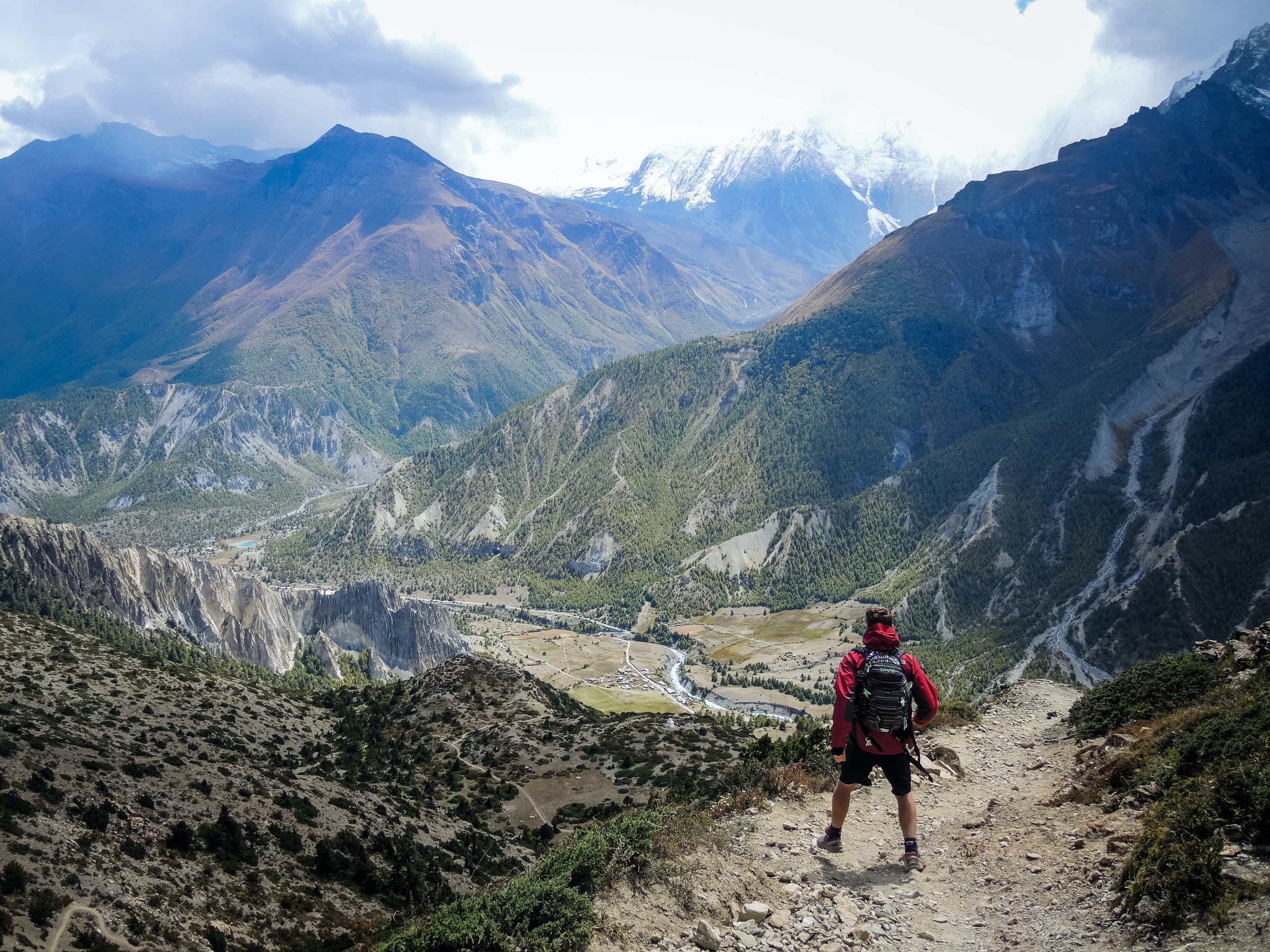
Check for fit.
Make sure your clothing and pack are the right sizes. If you chafe at a certain strap line, it could be because your shirt is too baggy or your pack doesn’t fit. If adjusting the fit doesn’t work, consider a pack with more padding or a fitted or seamless top. If you experience the dreaded nipple chafe, try a more fitted shirt, a sports bra, or bandages.
Choose the right apparel.
Opt for synthetic fabrics where possible: Clothing that wicks moisture away from the skin significantly reduces chafing. If your inner thighs chafe, try wearing spandex tights under your hiking shorts, lightweight pants, or hiking skirt or kilt. (While hiking skirts can be comfortable, they’re Kryptonite for chafe-prone people. Be forewarned.)
ADVERTISEMENT
Plan for rough spots.

If you chafe in a particular place, slather on a lubricant such as petroleum jelly or Body Glide at the start of your hike. Keep some handy while you’re hiking so you can reapply at the first sign of a hot spot. This is a useful tactic for chafing on any part of the body; it works as well for thigh rub as it does for raw armpits.
Sometimes, you may need to take more drastic measures. Some desperate endurance athletes cover their nipples with adhesive bandages to ward off chafing. If you’re prone, consider taking a page from their book.
Stay dry.
Yes, we understand that sounds like it might contradict the “lubricate yourself” advice above. But hear us out: Moist skin is prone to all sorts of nasty stuff on the trail, from blisters to raw, red, chafed skin. Think about a piece of tissue paper: Dry, it’s fairly durable, but let it get wet, and it rips and tears easily. If you can keep your skin dry, you’re less likely to suffer chafing while hiking. Make sure that you’re wearing breathable clothes; don’t let things get swampy. And as always, don’t wear cotton: It sucks up water, leaving you and your skin moister than you want.
ADVERTISEMENT
How to Treat a Chafing Injury While Hiking
Sometimes, chafing occurs before you have the chance to prevent it. If you find yourself with irritated or broken skin during your hike, treat as follows:
- Clean the affected skin with a baby wipe or camp soap and water. Avoid using alcohol prep pads or hydrogen peroxide, which can dry out the skin and cause further irritation.
- Apply petroleum jelly to the chafed skin. Soothing lotions can also help relieve pain.
- Leave the wound uncovered to allow it dry out and heal. Keep it lubricated to prevent further chafing.