Published April 12, 2022 02:15PM
Bee Stings, Concussions, and More: How to Treat Common Hiking Injuries
For how dangerous the backcountry can be, it's sometimes the smallest accidents that become the biggest injuries. Stay safe with these tips.

(Photo: AlexSava via Getty Images)
As a wilderness EMT who has spent more than 35 years leading outdoor trips, Paul Nicolazzo has treated everything from bee stings to broken bones. His field-tested advice help stop common hiking injuries from turning into backcountry emergencies.
The key to avoiding many of these injuries and accidents is prioritizing smart, ego-free hiking. Nicolazzo says that the person who’s struggling to keep up with more advanced fellow hikers (and doesn’t want to admit that he’s in over his head) is the person most likely to get hurt: “Know what your limitations are.”
Keep Warm and Cool
The average core body temperature is 98.6°F, but if you stray too far above or below your natural equilibrium, your body can’t perform adequately. Even a fluctuation of a couple degrees can mean major medical issues.
104 and up: Heat stroke: Stop exercise, cool patient by immersing or misting, and seek medical help.
100 to 103: Heat exhaustion possible. Stop exercise and cool patient as stated above; give sips of water.
97 to 99: Normal
90 to 95: Mild hypothermia. Warm the patient with sleeping bags, hot drinks, fire, and your body heat.
Below 90: Moderate to severe hypothermia. Warm patient as stated above and seek medical help.
ADVERTISEMENT
Clean and Treat Your Wounds
Before addressing your bumps and scrapes, clean your hands. That doesn’t mean just pulling out the Purell: Sanitizer doesn’t eliminate germs as effectively as washing, especially when hands are visibly dirty. Scrub with soap and water for at least 20 seconds after bathroom breaks and before handling food to prevent the spread of nasty bugs. (And be sure to clean under your fingernails, too.)
Reduce infection risk by cleaning cuts like a pro: Apply pressure to stop bleeding, then wash skin around the gash with soap and water. Flush using bursts of clean water from a sports bottle or plastic bag with a clipped corner. Pat dry and cover with a petroleum jelly-treated gauze bandage.
ADVERTISEMENT
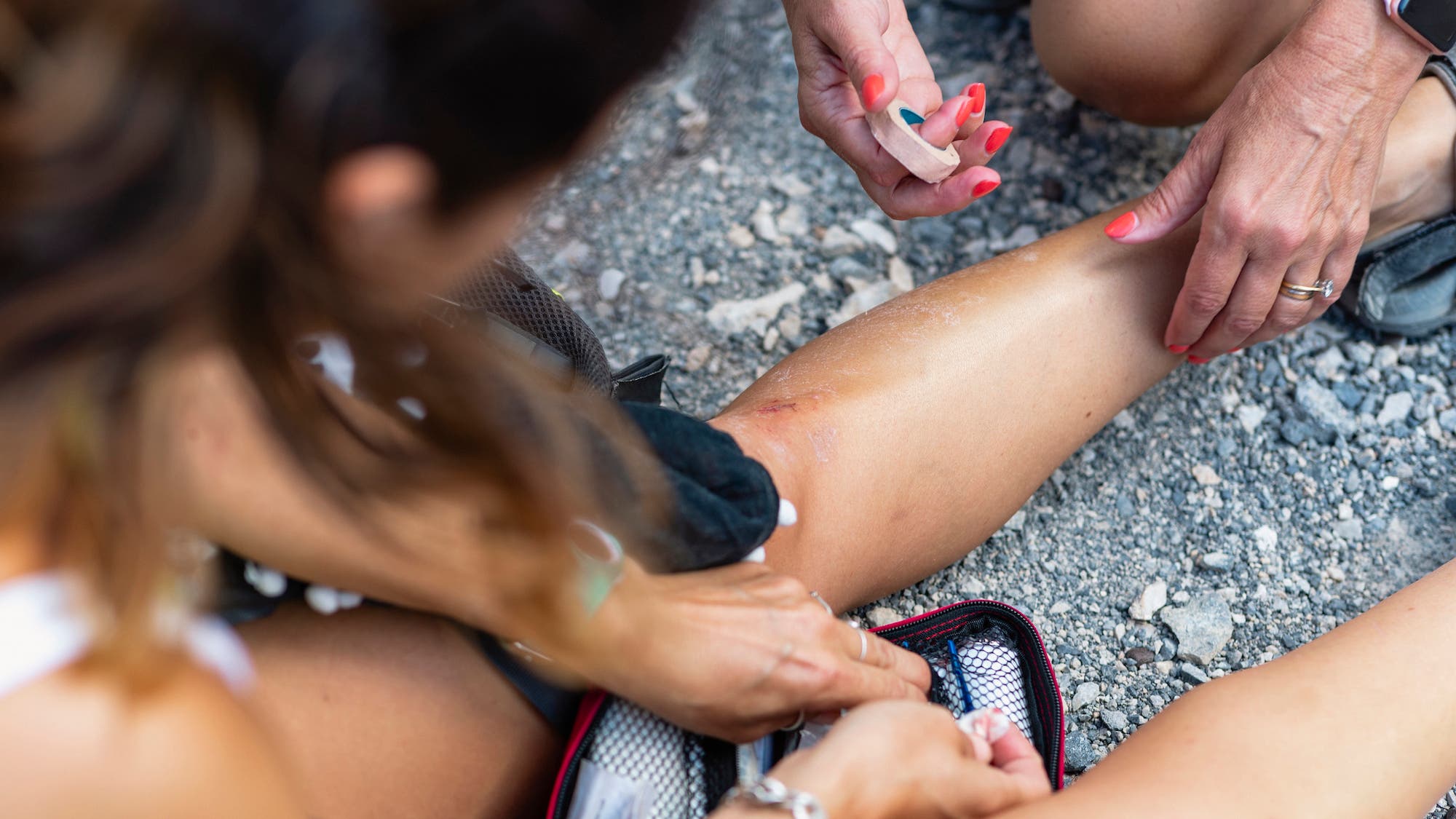
Wounds don’t come in predetermined shapes and sizes, so why should bandages? Instead, Nicolazzo packs a roll of sterile gauze and flexible medical tape to custom-fit a dressing of any dimensions on the fly.
Beware of Bee Stings
Especially in spring with the bloom of wildflowers, bee stings are a very common hiking injury. Remove stinger by scraping a credit card across it (tweezers can cause more venom to be released); wash the sting site, apply cool compresses, and give patient an antihistamine. For severe allergic reactions, an epinephrine shot is essential to treating anaphylaxis: Nicolazzo has saved more lives (four) with an EpiPen than with anything else.
Watch Your Head
About one-third of backcountry injuries involve the head or spine, which can include concussions. Concussions are perhaps the most frequent serious backcountry injury, but their symptoms can also mimic those of altitude sickness or hyponatremia. The proper response depends on the severity of the concussion:
Mild: Symptoms include a headache, temporary confusion, brief amnesia, and/or loss of consciousness. In this case, slowly evacuate the patient.
Severe: Symptoms are the same as above, but worsen with time. This can trigger a deadly increase in pressure within the skull; evacuate urgently.
ADVERTISEMENT
Nurse A Sprain
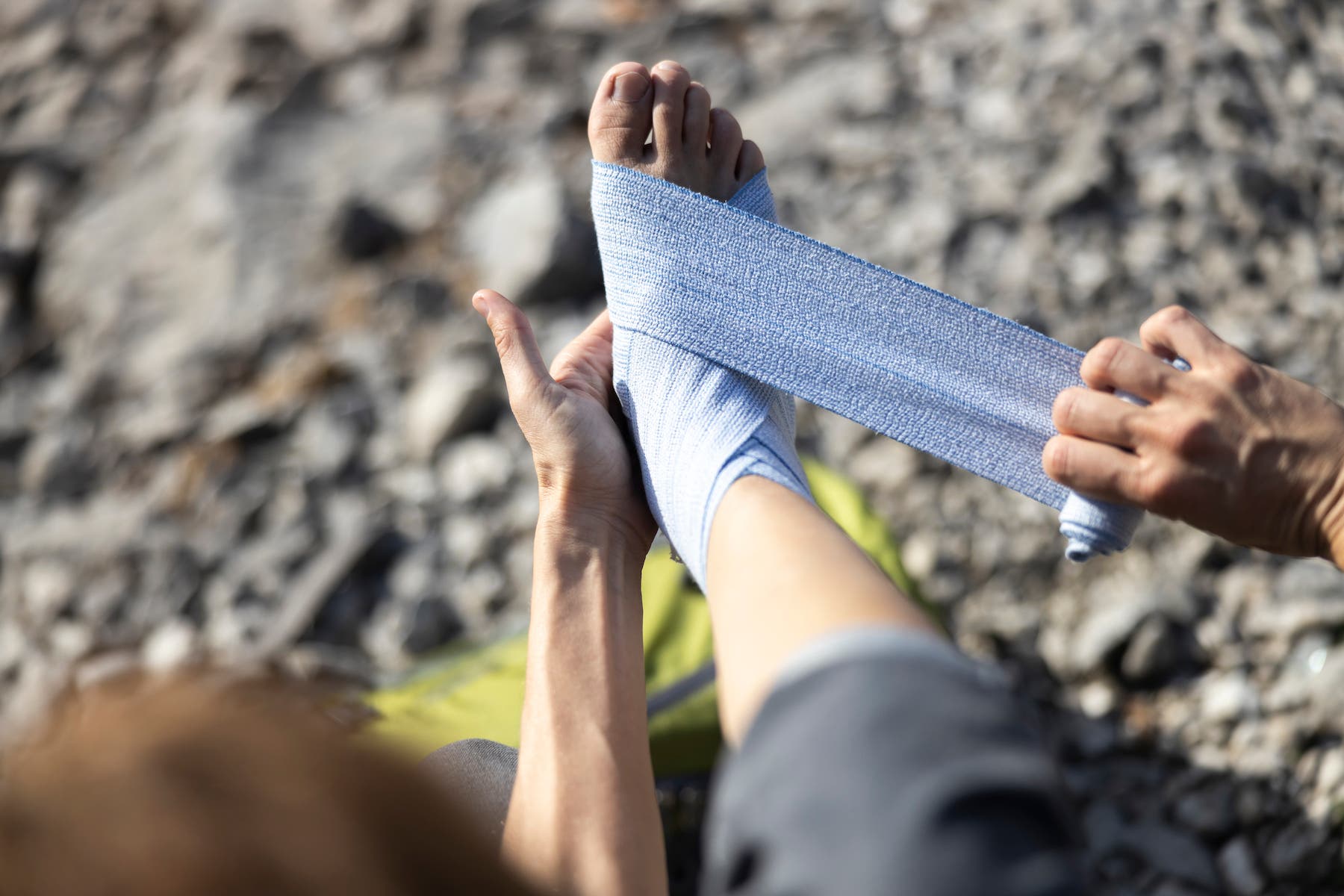
Rest if possible, and reduce pain and swelling with ibuprofen and a half-hour cold water immersion every 90 minutes. With what you have in your pack, you can makeshift a brace to reduce movement or swelling in your ankle, wrist, or whatever you sprain.
Monitor Tummy Troubles
Stomach issues usually resolve in a day or two without meds, but severe vomiting or diarrhea—especially if the patient can’t keep any fluids down—mean it’s time to seek help. Get off trail and find a doctor nearby. You don’t want to mess with giardia or E. coli.
Cook With Caution
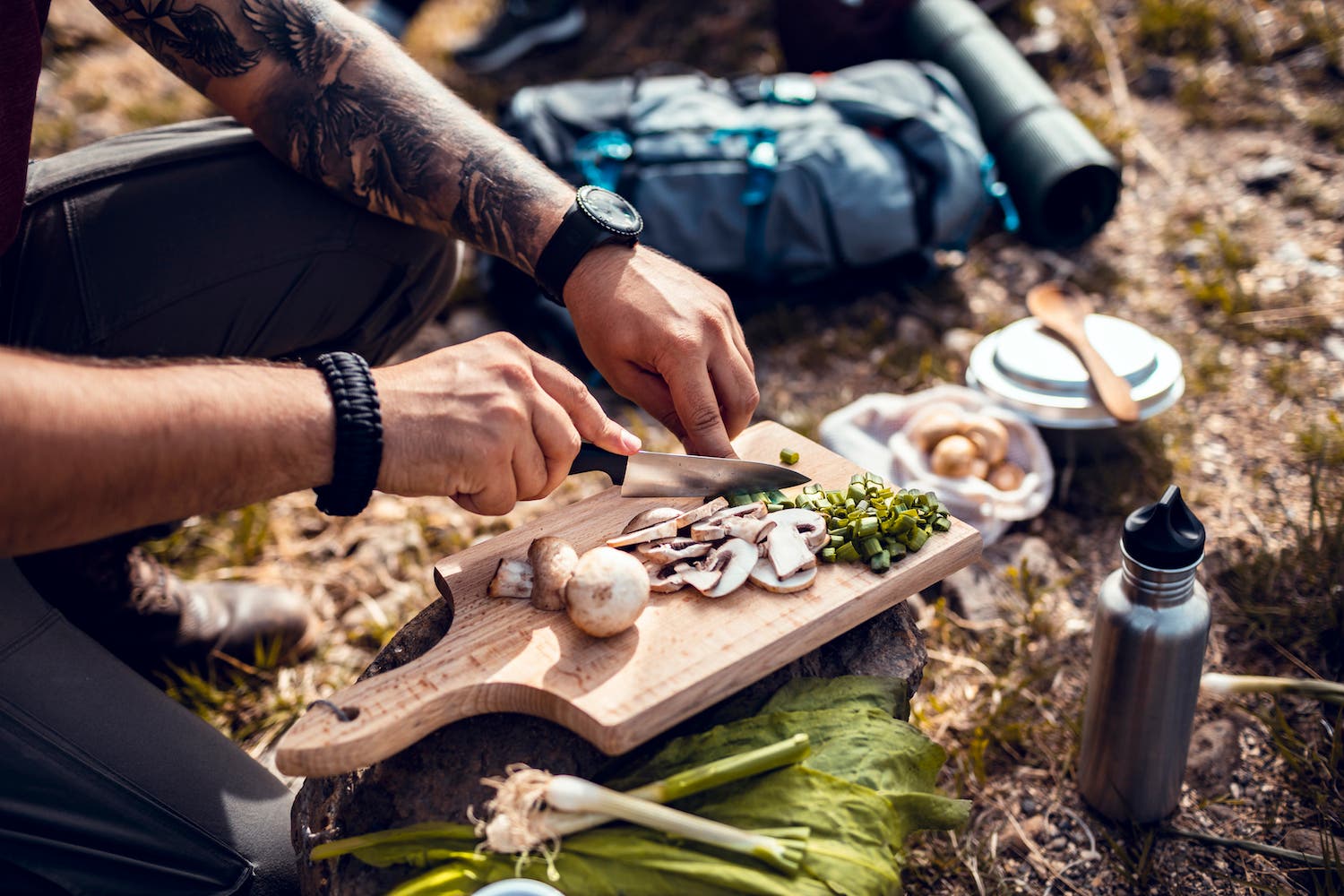
Many common hiking injuries can happen in at your camp kitchen. A few good habits can prevent many common backcountry boo-boos.
ADVERTISEMENT
Don’t
- Hold mug when pouring in hot liquids.
- Cut toward palm.
- Set stove on an unstable surface.
- Disregard expiration dates or moldy food.
- Eat on dirty dishes.
Do
- Set mug down to avoid burning hands with hot liquids. Follow the Ten Commandments to Backcountry Cooking.
- Use a cutting board.
- Place stove on even ground or rock to cook. Be sure to block the flame from wind and follow local fire safety guidelines, too.
- Create a meal plan and eat before your food spoils. Keep your food away from moist environments; that can become a breeding ground for mold and make your food expire faster. Knowing how much you will eat and avoiding needing to save leftovers will also help reduce food waste.
- Clean your dishes after each meal. Of course dirt is a part of being in the backcountry, but dirty dishes can lead to bacteria that you’ll likely eat with your next meal. Be sure to clean your dishes with biodegradable soap at least 200 feet from water sources to avoid pollution.
Originally published in 2014; last updated in April 2022