Updated August 5, 2025 05:04PM
Lyme Disease is Scary. Here's How to Avoid it.
Remember these tips for a safer summer.
'Fritz Flohr Reynolds'
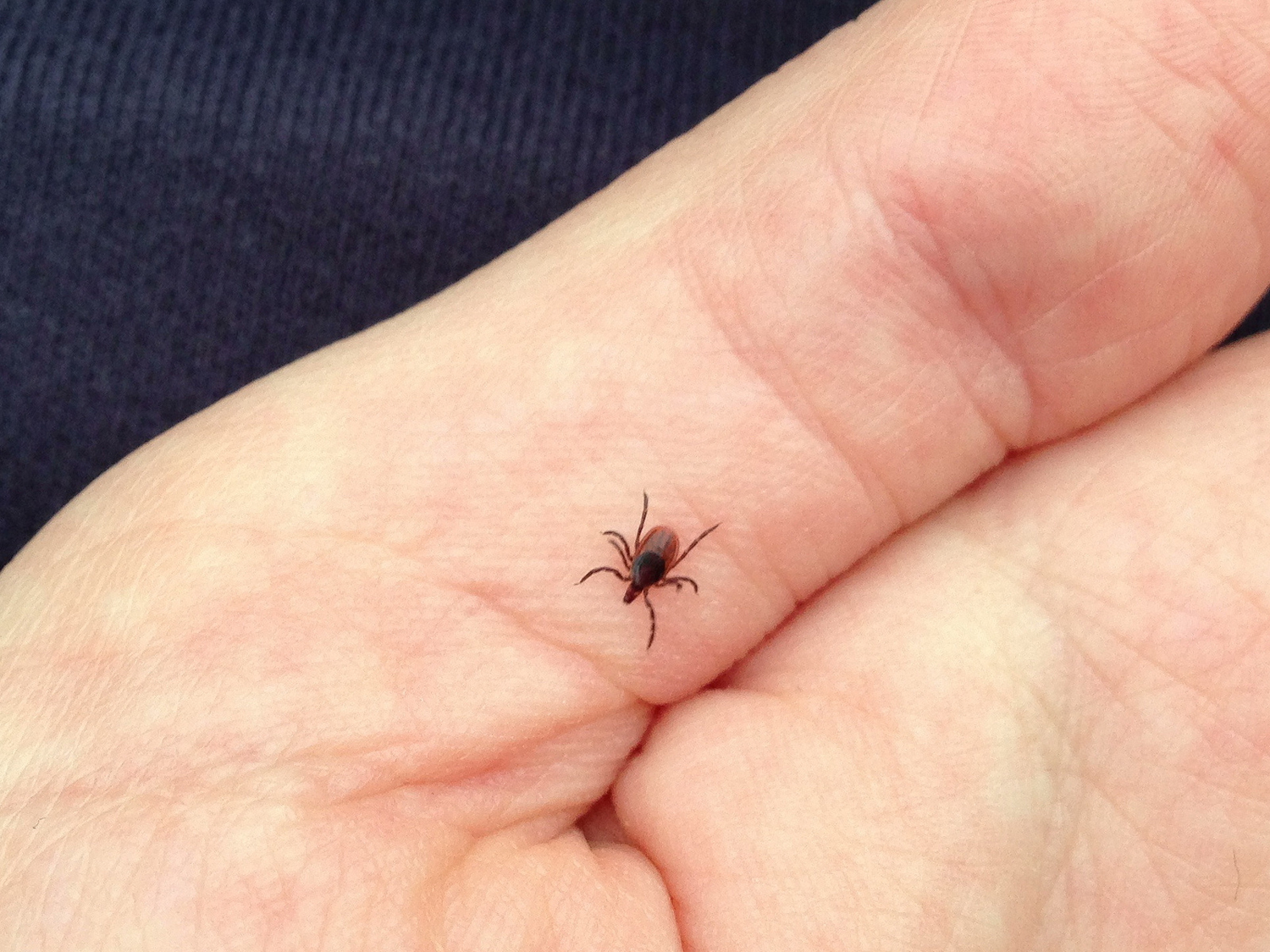
It’s the little ones that you have to watch out for. Case in point, an insect the size of a poppy seed: the tick. With summer here, the risk of these tiny bugs—and the diseases they carry—is hitting an apex. Knowing how to avoid Lyme disease is crucial for hikers.
Anyone who spends time outside is at risk of contact with infected ticks. They are most active in warm weather, so the risk of infection is greatest from April to September.
Black legged ticks, also known as deer ticks, can transmit Lyme disease. About 300,000 cases are diagnosed each year, and the rates are increasing over time. The diagnosis rate has tripled over the past two decades, according to Global Lyme Alliance (GLA), a nonprofit working to advance knowledge and awareness of the condition.
Although the disease is not usually life-threatening, “believing that it’s not going to impact you is probably the worse type of thought process that someone can have,” Scott Santarella, CEO of GLA, said.
Ticks wait for hosts by resting on tips of grasses and shrubs. When a person or animal brushes against the tick, it climbs aboard. They slowly suck the host’s blood for days.
ADVERTISEMENT
If detected early, most cases of Lyme disease can be effectively treated with antibiotics. If not, the disease can be debilitating, with potential to affect the brain, heart and other parts of the nervous system. This severe condition is known as chronic Lyme disease.
Thankfully, there are precautions that backpackers can take to protect against ticks. Follow these tips to know how to avoid Lyme disease and stay safe from ticks.
- Conduct a full body check every evening. Ticks often hide in body folds, like underarms, in/around ears, inside belly button, behind knees, between legs or on the scalp.
- Set up camp in less grassy or woody areas.
- Use repellent on clothing and tent floor.
- Try to keep the body covered by wearing pants (most effective if tucked into socks), a hat and insect shields.
- Wear plain clothes that are light, so ticks are visible if they’re crawling on you.
- Always carry tweezers.
- If a tick is found, use tweezers to grip the head, slowly remove and thoroughly wash the infected area. Go to the doctor for a Lyme disease test.