Published April 20, 2022 11:49PM
Rainbows 101: A Guide to the Sky's Most Colorful Show
Get to know your rainbows from your double rainbows from your moonbows.
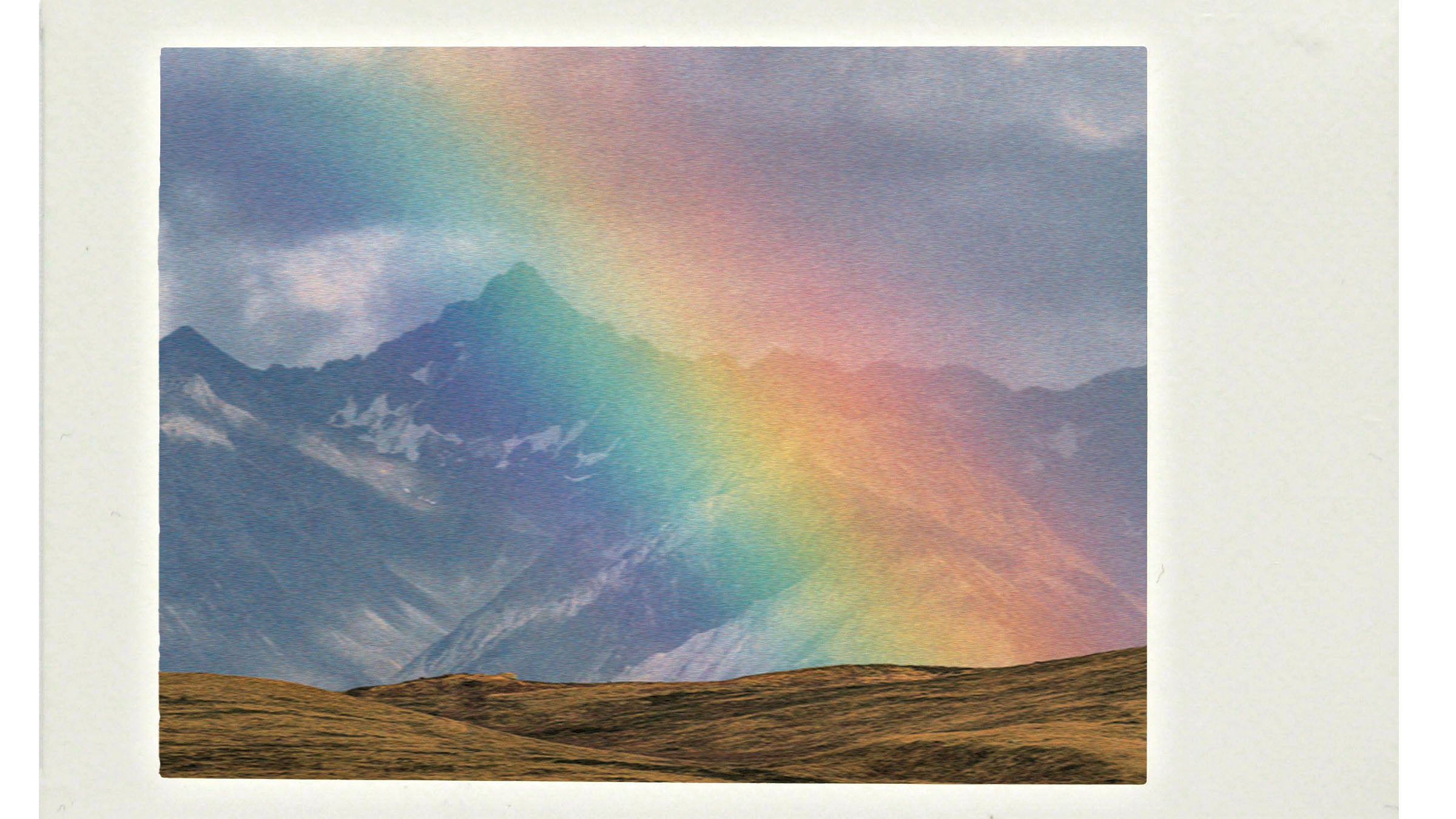
A rainbow (Photo: Harry Lichtman)
There are two notable figures who come to mind when you see a rainbow. The first, of course, is Roy G. Biv, who isn’t a person at all, but rather the mnemonic for red-orange-yellow-green-blue-indigo-violet, the colors of the rainbow from top to bottom.
The other is the late internet sensation Paul Vasquez, who became a YouTube sensation in 2010, when he captured—and raptured about—a rainbow that appeared above his backcountry hideaway near Yosemite. “It’s a double rainbow… that’s so intense!” he enthused before wailing over its beauty.
Want to know the science behind these sob-inducing sights? Here are five kinds of this beloved phenomenon that might make the “rain” portion of your hike more enjoyable.
Classic rainbow
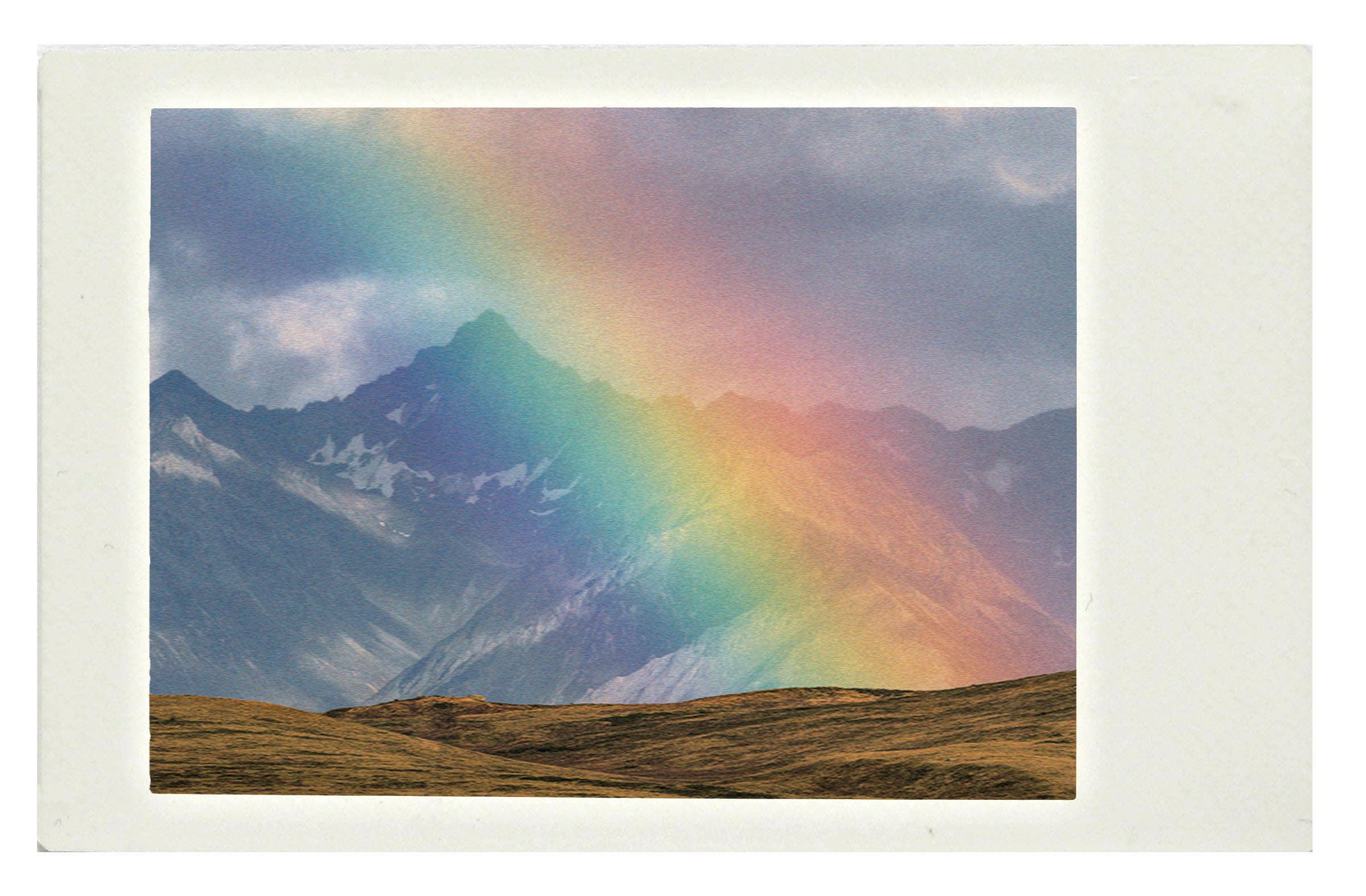
This iconic arch is created when rays from the sun (shining behind you) strike water droplets from a cloud (in front of you) at a precise angle of 42 degrees, which fractures the beams into Roy G. Biv’s namesake colors.
ADVERTISEMENT
Double rainbow
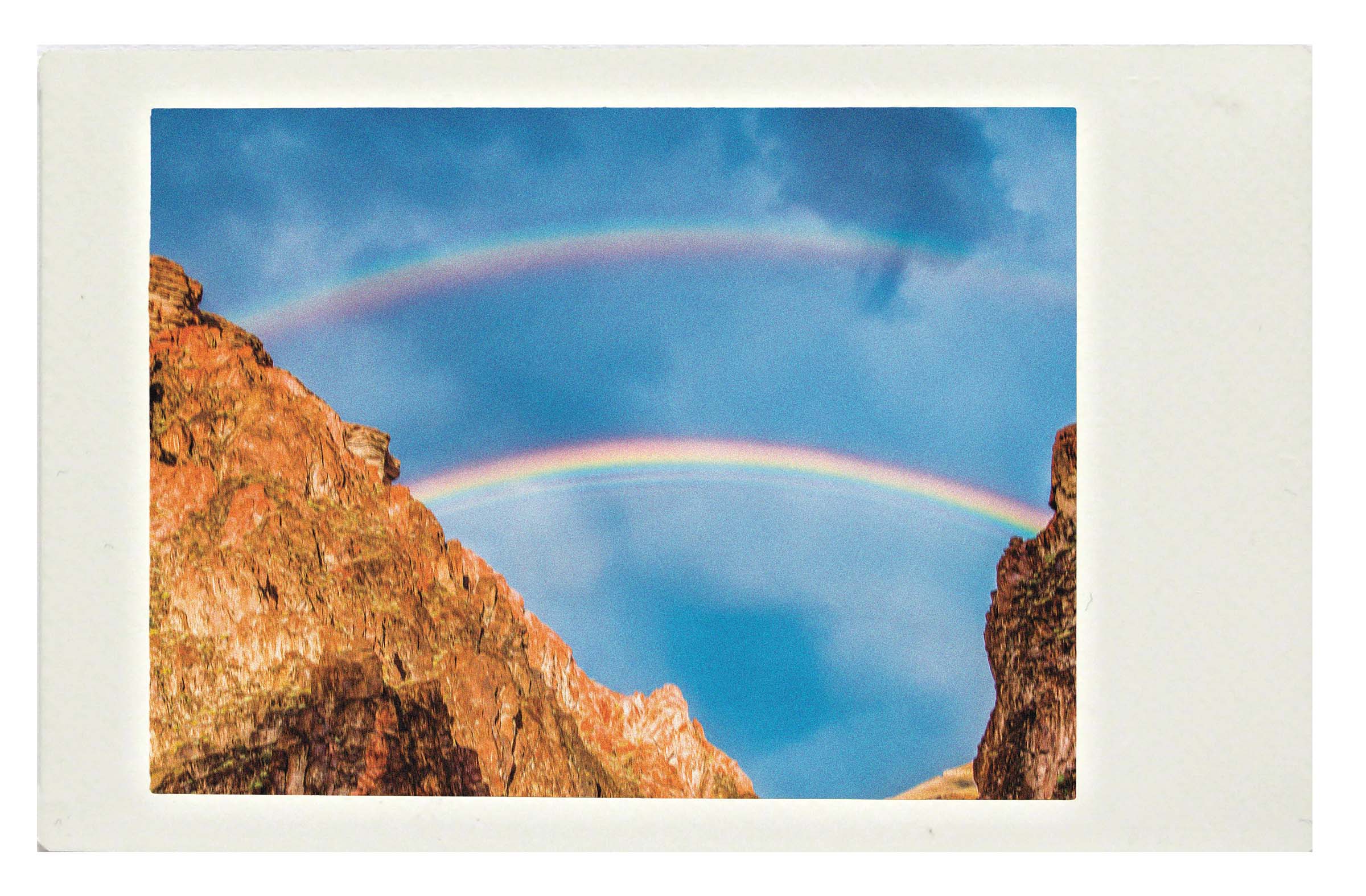
The double ’bow that so thrilled Paul Vasquez happens when flattened raindrops (called burgeroids) refract the light twice, producing Vib G. Yor on top of Roy G. Biv—that is, a color-flipped rainbow above the regular one. Good for almost 50 million views on YouTube, so far.
Moonbow
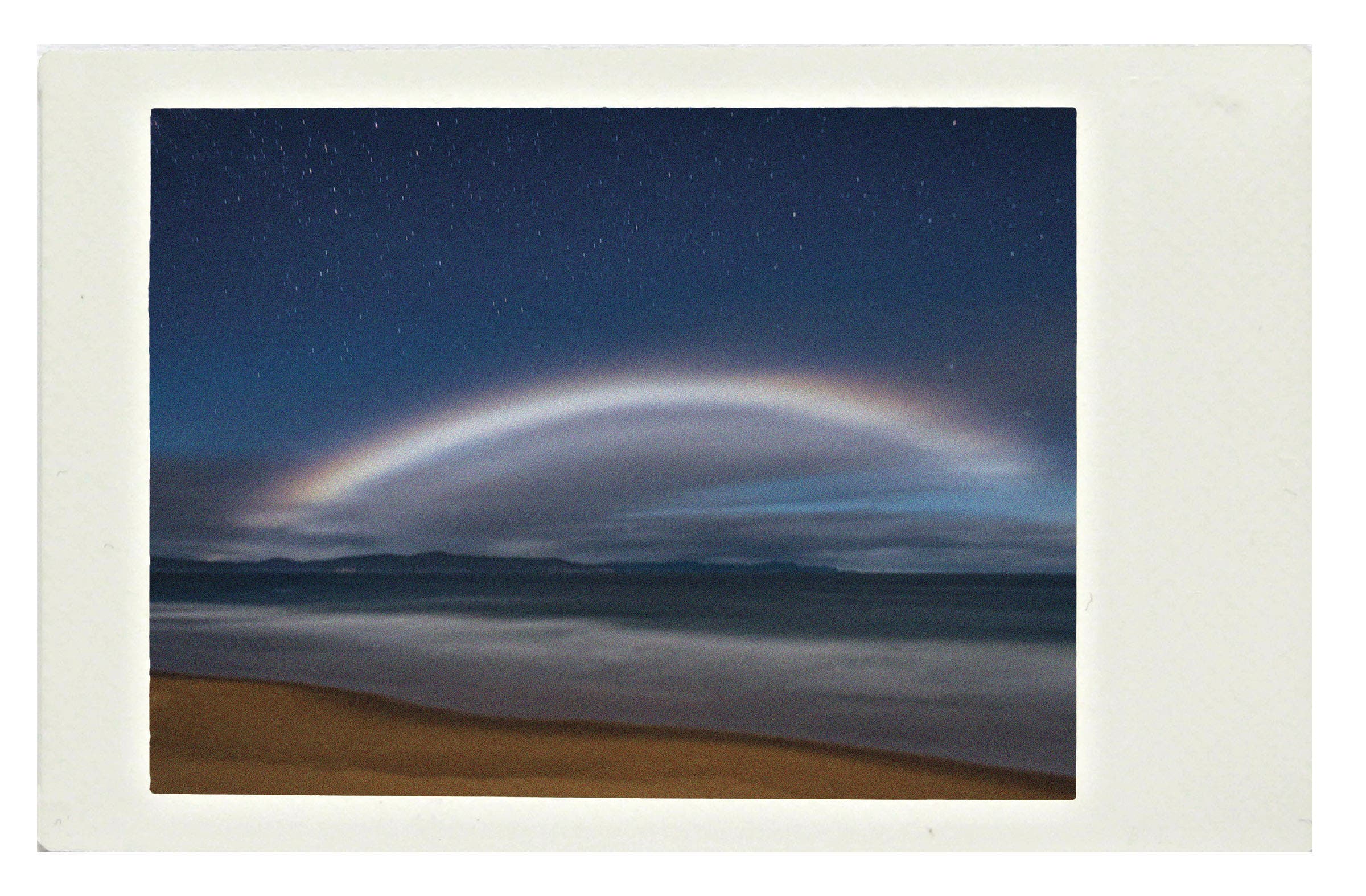
Our celestial neighbor reflects enough light to refract a pale ’bow. All you need is a full (or close to full) moon and plenty of moisture, like the mist spraying off a waterfall.
360-degree rainbow
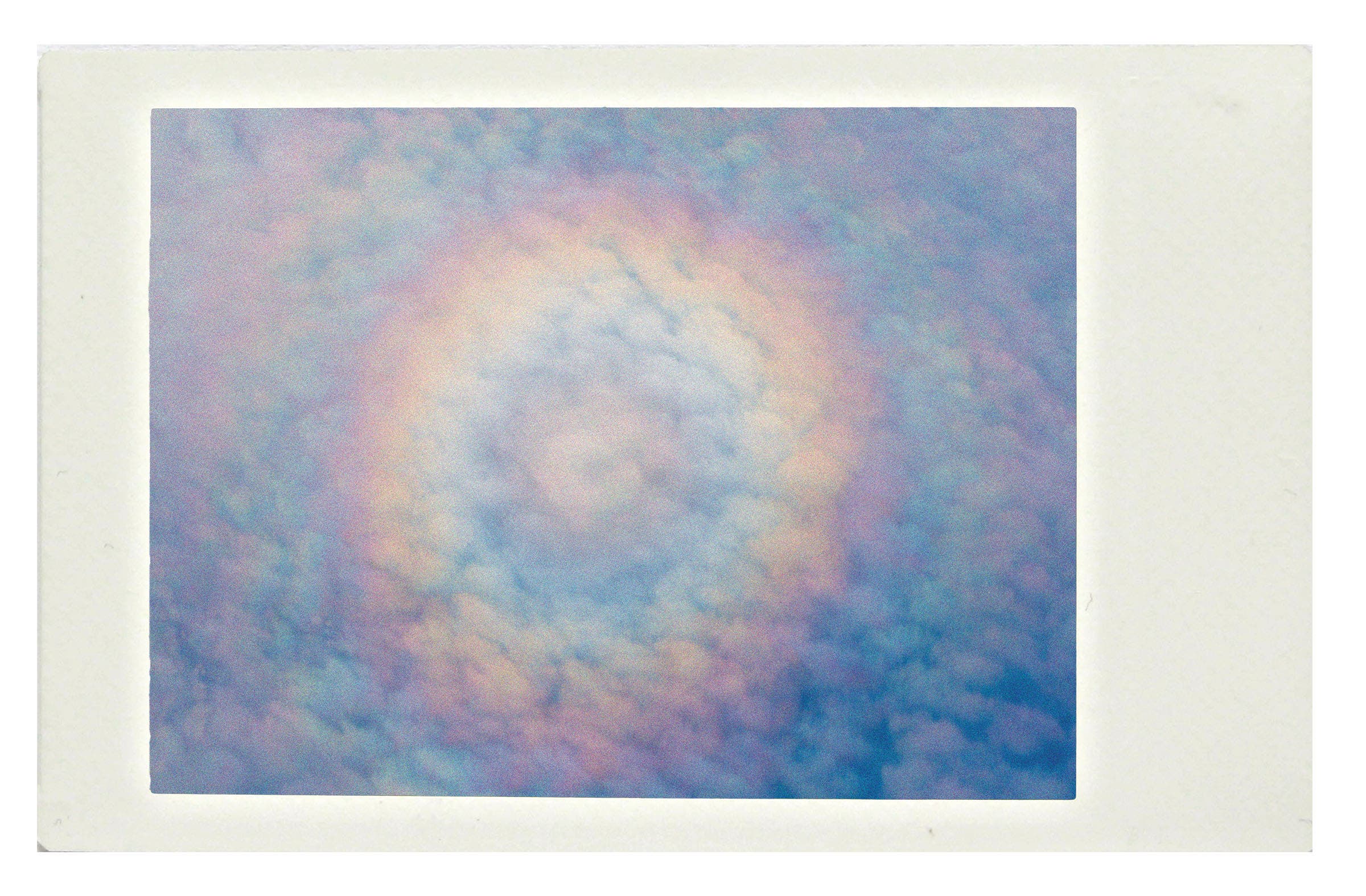
Actually, all rainbows are 360 degrees—because you’re earthbound, you’re not tall enough to see the full circular expression of the refracted light. But in an airplane, you might see it, or on a lucky day from the top of a high peak.
ADVERTISEMENT
Brocken Spectre
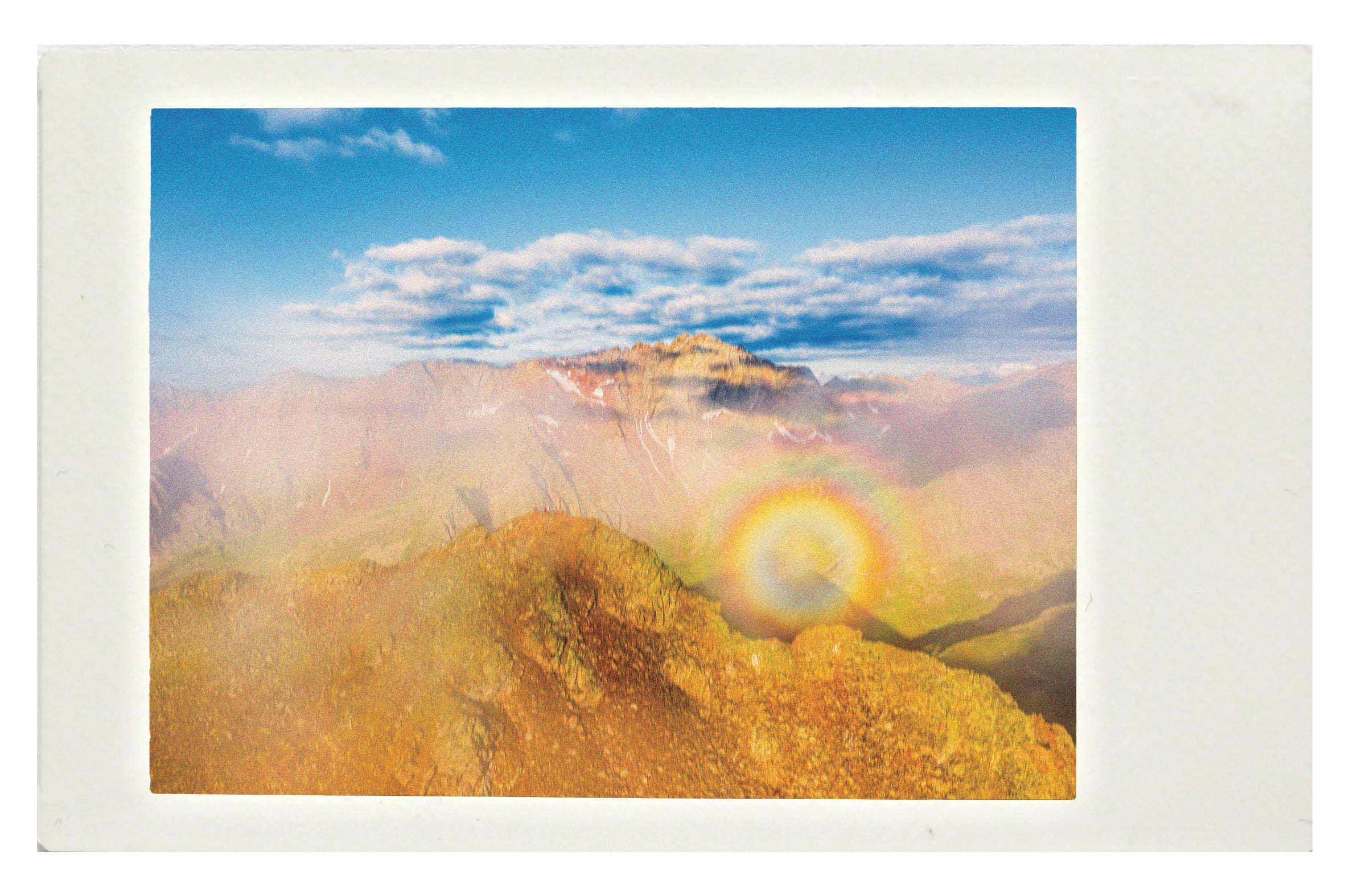
This magical sight happens when the sun is behind you, you’re on a promontory, there’s a cloudbank below, and voila: You see a rainbow-hued halo around your body’s shadow, cast on the clouds below.
