Published April 13, 2022 04:00PM
How to Train for Hiking When You Hate Working Out
Kickstarting a workout habit starts with reexamining your motivations.

(Photo: Blend Images - Erik Isakson/Tetra Images via Getty Images)
If you’re reading this, you’re probably aware of two very unfortunate truths. The first is that hiking is often more fun when you can go further, go faster, and not wake up debilitatingly sore the next day. The second: Going to the gym is, well, a total chore.
It’s easy to believe that training is something best left to other people—the kind of people whose brains are wired to do things like eat kale with gusto, or wake up at 5 AM to meditate. The kind of people whose bodies don’t feel like a sack of boiled cabbage after 10 minutes on the treadmill. You know, people who like going to the gym.
The good news? You don’t need a new brain or a new body to love working out. You probably just need a small shift in outlook.
But First, Some Caveats

The beauty of hiking is that anyone can do it, and at almost any fitness level. Yes, strength training is great for injury prevention, and training hikes can help you build confidence ahead of a committing trip. Developing endurance is also recommended if you’re venturing into remote terrain, as an insurance policy against getting worn out or benighted.
That said, you don’t have to train for hiking if you don’t want to. You’re a grown-up, and no one’s making you. If you hate working out, don’t do it. Just go outside. Go on for-fun hikes, set your own pace, and enjoy the heck out of it.
If you want to tackle longer objectives, training can help. However, American culture has an unhealthy obsession with “getting in shape” for things, so before we devote any more time to that topic, we need to dispel a few myths.
- You don’t have to be in any certain “shape” to enjoy hiking.
- You don’t have to hike a certain distance or at a certain speed to be “good at hiking,” or to call yourself a hiker.
- Working out is not a moral issue. Doing it should not make you feel superior, and not doing it should not make you feel guilty.
ADVERTISEMENT
Why You Probably Don’t Actually Hate Working Out
Any physical trainer or coach will tell you: The secret to actually seeing results is consistency. The secret to consistency is building a habit. The secret to building a habit? Motivation that’s actually sustainable.
If you’re training because you want to look a certain way, be perceived a certain way, or impress someone (including the Internet at large), that’s not sustainable. Neither is training just because you have a vague sense that it’s something you should be doing. These are all “extrinsic motivations.” In other words, they come from outside of yourself.
Extrinsic motivations are unsustainable because they create unhealthy external pressure. If you don’t see immediate rewards that correspond to those motivators, (e.g. Instagram likes, compliments, or other outcomes that are outside of your control), you’re likely to fall off the bandwagon. Likewise, when you skip a day at the gym, bail on a summit, or have a “bad workout” (hot tip: there’s no such thing), extrinsic motivations make you feel like a failure for not living up to some bogus external standards.
If you suspect your training motivation is extrinsic, take a closer look. Write down all the reasons you want to work out (be honest). Then, take a hard look at what’s serving you and what’s making you dread the gym. Are you a perfectionist? Remember your goal is to get better, not to be the best. Trying to impress a partner? Too bad their opinions don’t matter as much as you think they do. Worried about an upcoming trip? The only way to “waste” a plane ticket is by not getting on the plane. Feel awkward in the gym? Rest assured: Everyone else is too busy obsessing over their own bodies in the mirror to worry about you or your technique.
Tip: If you feel aimless, uncertain, or even embarrassed in the gym, try hiring a personal trainer—even for just one or two sessions. Working with a pro is a great way to build confidence and a repertoire of useful exercises, not to mention learn how to avoid injuring yourself if you’re new to weight training or working out.
ADVERTISEMENT
How to Actually Love Working Out
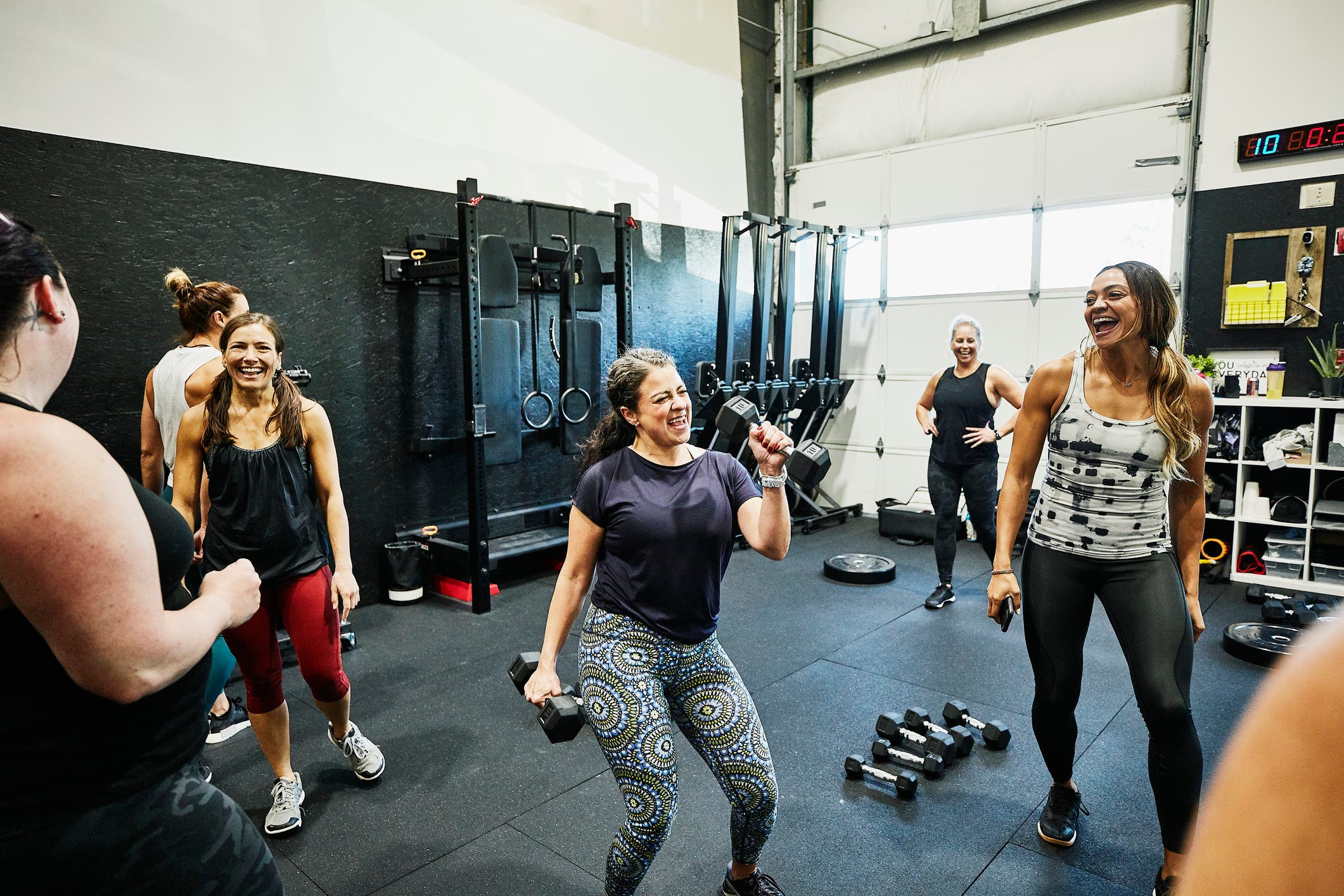
Now figure out your internal or “intrinsic” motivators, which make working out way more sustainable and way more fun. When you’re intrinsically motivated, you hit the gym purely because it makes you feel strong, you like moving your body, or you want to work toward a goal that’s just for you. You enjoy the process. You’re nice to yourself when you miss a workout.
So, start by asking yourself: Why do you want this?
If during this soul-searching, you discover you truly hate training—even the kind that looks like walking your dog with a backpack on—great. Really. That’s great insight. Don’t do it. Again, no one’s making you.
If you find that you really do want to get stronger, lean into it. Write it down if you have to. Make it the label on your phone alarm. Remind yourself of it every time you want to hit snooze. Not sure where to start? Here are some examples of healthy, intrinsic goals:
- You know of a beautiful waterfall or lake, and you want to be able to hike there and back in a single day.
- You’re recovering from an injury and want all your muscles and joints to feel secure and stable.
- You want to share nature with your kids, whether that means getting strong enough to hike with a baby carrier, or fast enough to keep up with your energetic middle-schooler.
- You love how working out makes you feel (or how much better you sleep afterward).
- Going to the gym is a great way to get some you-time and rock out to your favorite tunes, no matter how “well” the workout goes.
ADVERTISEMENT
How to Build a Training Habit That Will Stick
There will always be days when you’d rather sleep in. There will be days where you just can’t get into the zone. Or days when life feels too distracting to focus on a cool hiking goal. So, for those days, refer to this final handy list to help you build a strong, consistent workout habit.
- Find exercise you like. Hate lifting weights? Don’t do it. Or at least supplement it with something you do like. You’re a grownup, remember? You get to choose to not make yourself miserable. Cycling, jogging, mountain biking, and even dancing or yoga all count as cross-training.
- Find a buddy. Make standing plans with a friend who’s a morning person, or at least reliably punctual. Accountability and camaraderie both go a long way.
- Pump up the tunes. Throw together a list of your favorite guilty-pleasure pump-up songs. Start listening to it on the drive to the gym or trailhead, or even while brushing your teeth if you need to psych yourself up.
- Drink coffee. A pre-workout caffeine boost is a great way to dial up your confidence and energy before a workout. Don’t do caffeine? Hop in the shower to wake up pre-workout (why not?) or eat some fruit for an energy rush.
- Sleep in your exercise clothes. It’s way easier to get up in the morning if you smooth the transition between sleeping and working out. Set out your coffee kit, put water in the teakettle, stick some overnight oats in the fridge, pre-pack your gym bag—whatever you need to do to strip away the excuses from your morning.
- Find a time that works for you. Most people find mornings—before the kids wake up, the emails start rolling in, or life’s stresses start piling on—the easiest time to work out consistently. But if you know you hit peak energy during your lunch break or after work, fantastic. Just pick a time that you know you can commit to 2 to 4 days out of the week.
- Resist the urge to buy a bunch of stuff or tell a bunch of people. For some folks, cute outfits, fancy protein powders, and a sense of social duty can be motivating. But for most, doing that saps energy from the momentum you’ve built toward a goal. Plus, if you feel like you have to work out because you spent money on some shoes or announced it on social media—well, you’re right back where you started with training feeling like a chore. Our brains are good at sneakily procrastinating; don’t let shopping or prepping for working out stand in the way of actually working out.
- Show up. Doing hard things is hard. Sometimes you’ll wake up late. Your dog will barf on the carpet just as you’re walking out the door. You’ll hit traffic. The weather will suck. No matter what, show up. A 10 minute jog around your neighborhood is better than nothing. So is a 20-minute stretching session or a 5-minute core workout if it still gets you into the gym before work and helps you keep exercise a part of your schedule.
Don’t let perfection stand in the way of progress. There is no perfect workout. There’s just you, getting stronger by increments, one day at a time.
