Published December 27, 2021 01:28PM
Snag Your Used Dream Gear for Pennies With These Tips
Buying outdoor equipment doesn’t have to be expensive, if you know where to look.
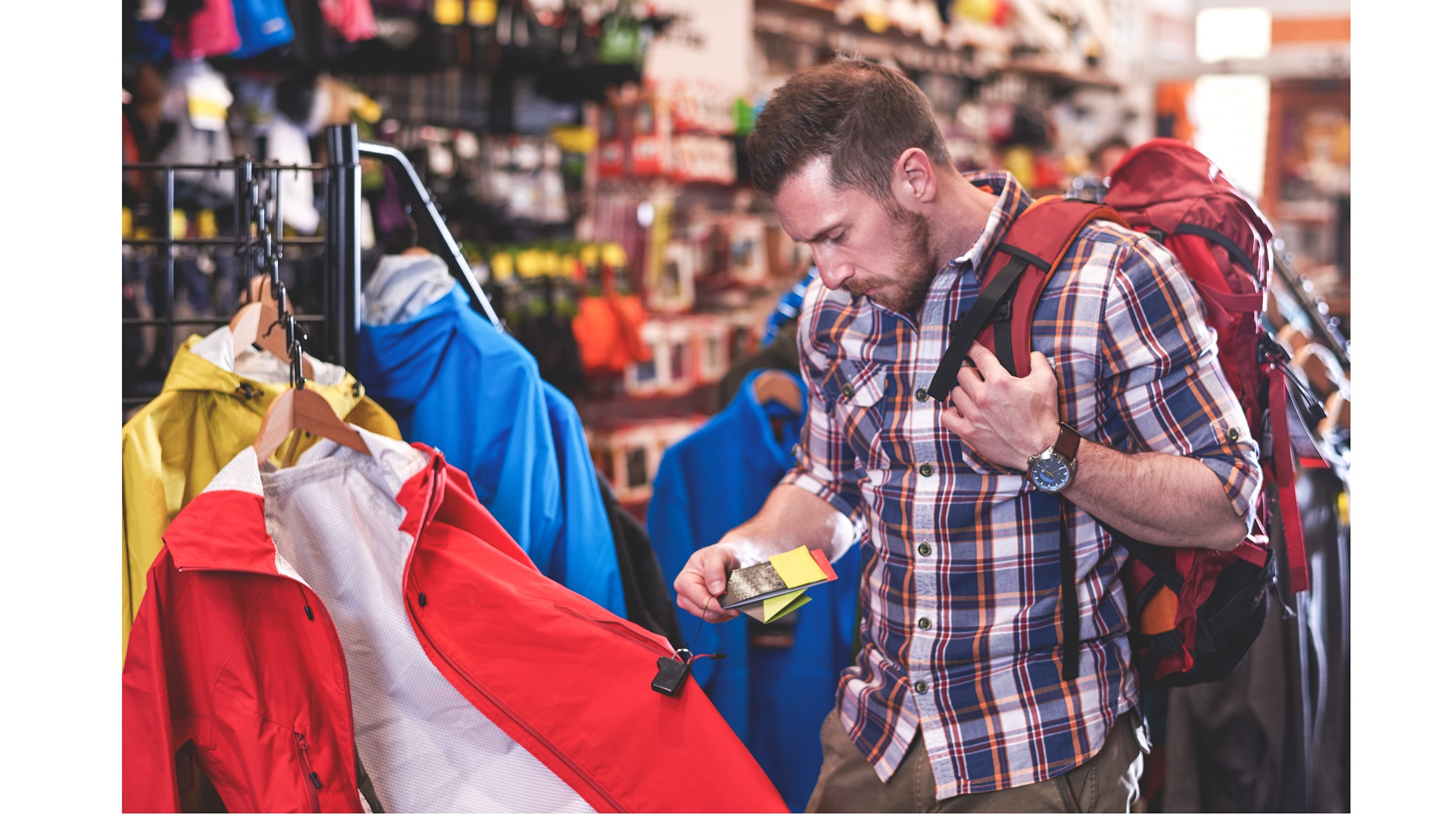
(Photo: EXTREME-PHOTOGRAPHER / E+ via Getty Images)
Every year, hikers spend millions of dollars on new gear. Know where to look, though, and you can snag highly functional—even pristine—used gear for a fraction of the price. Hunting for used gear not only saves you a few bucks, but it’s also a great way to upcycle. Here are a few locations where you can find affordable, quality, used gear, and key tips to remember when you’re on the hunt for your next hand-me-down treasure.
Thrift Stores in Outdoorsy Towns
Many mountain towns—or cities with bustling outdoor communities—have thrift stores filled to the brim with high-quality pre-owned gear. These spaces really shine if you’re looking for apparel; racks of clothes organized by activity, season, and size can make it easy to browse for shells, puffies, pants, and more. Hardgoods like packs, skis, and tents can vary more in quality and be fewer and farther between, but if you’re willing to spend time searching, you snag a deal.
The best time of the year to find quality gear at a thrift store is usually in the shoulder seasons. In mid- to late fall, folks will begin selling their hiking gear from the previous summer. Hit up a store in the spring, and you might score a deal on used cold-weather equipment.
Used Gear Websites
Sites like Gear Trade and Outdoors Geek allow you to both buy and sell lightly-used gear. The main perk of using these sites is that you can easily search for specific items without leaving your house, instead of heading to a thrift store full of hope. Since you have to purchase your gear online while using these websites, you won’t be able to hold it in your hands and look it over for imperfections. However, these sites can also offer deep discounts, especially during sales. It’s also possible to find gear that costs up to 70 percent less than it would at a retailer, and it allows those who don’t live near a great outdoor thrift store to access used gear.
ADVERTISEMENT
Facebook Marketplace and Facebook Groups
As with the sites above, gear hunters can search Facebook Marketplace for particular items, and the discounts may be even greater. You can also join a group like the Backpacking Gear Flea Market or the Backpacking Gear Sale group in order to dig up deals. Most outdoor-oriented towns also have local gear-swap groups. Be sure to look for a local group if you’re on a tight budget, because you can entirely eliminate the cost of shipping by shopping locally. As with thrift stores, you’re most likely to find good deals on gear in these groups during the off-season.
REI, Patagonia, and The North Face
REI, Patagonia, and The North Face have subsections of their companies that are dedicated to selling used or repurposed gear. The biggest advantage of buying gear from these brands is that it’s either refurbished or it has been evaluated by a staff member prior to listing.
REI Good & Used not only offers used gear for about half of the cost of new products, it also allows members to trade in old gear for REI gift cards. Patagonia runs the Worn Wear site, which allows shoppers to take advantage of fat discounts on used and repaired gear. Finally, The North Face Renewed functions like Patagnoia in that it refurbishes used gear and sells it for about half of the retail price.
ADVERTISEMENT
What to look for when buying used gear
Before you purchase any used gear, you should make sure it will hold up in the backcountry. Here are the most important things to keep an eye on.
- Evaluate seams: The seams on clothing are usually the first place to show extensive wear. If you have a used piece of clothing in your hands and you want to know that it’s going to last, evaluating the seams will allow you to determine if it’s worn out. Heavily used clothing may have busted stitches or frayed fabric.
- Investigate the tread on boots: Footwear’s main function is to protect and support your feet. Because of this, you’ll want to make sure to evaluate the tread of a used pair of boots before buying. Is it worn? Are there any imperfections in the rubber? When you put them on, is there any rigidity to them? Or does it just feel like a loose layer of fabric? You’ll want a boot with some rigidity, and few imperfections. Additionally, checking the fabric or leather over for holes or tears can help you to determine whether a pair of boots may be worth purchasing.
- Check the elastic in the tent poles: It’s possible to replace the elastic that’s on the inside of your tent poles, but it takes a little bit of time, expertise, and money to do it. If you’re hoping to find a tent that you can use right away, make sure not to skip over the poles during your evaluation. You’ll want the elastic on the inside of the tent poles to have a good amount of elasticity in it. If it feels like it’s sagging or it isn’t snapping the poles into place, you might want to think twice about your purchase.
- Perform the smell test: If a piece of gear is particularly rank, chances are that you’re going to struggle to enjoy it. Even if it’s functionally adequate, a funky sleeping bag, or backpack will pretty much stay funky forever.
- Think twice about buying used down: Unless a down product is relatively new, you can count on it losing a bit of loft and warmth between users. This doesn’t necessarily mean that used down isn’t worth buying. It just means that you should think extra hard before you make your purchase, because the temperature rating may be inaccurate. Heavily used down products will look flat, like they’ve been stored in a sack for a long time.
- Scope out the hipbelt on a pack: If you’re looking at a used backpack, and you want to know whether or not it’s a good buy, take a look at the hip belt. Since the bulk of a backpack’s weight should be placed on the backpacker’s hips, the hip belt is going to be one of the most well-used parts of a backpack. Look for busted seams, worn fabric and padding, and tears. Another potential area of wear is on the shoulder straps. Look at the seam where the top of the strap meets the rest of the backpack. If the stitching, webbing, or fabric looks compromised, you should leave it behind.