Updated July 7, 2025 09:56PM
2019 Gear Preview: Trail Running Shoes at Outdoor Retailer
Trail runners get dialed-in drop and extra support as customers train for their next ultrarun or thru-hike.

SCARPA Spin Ultra
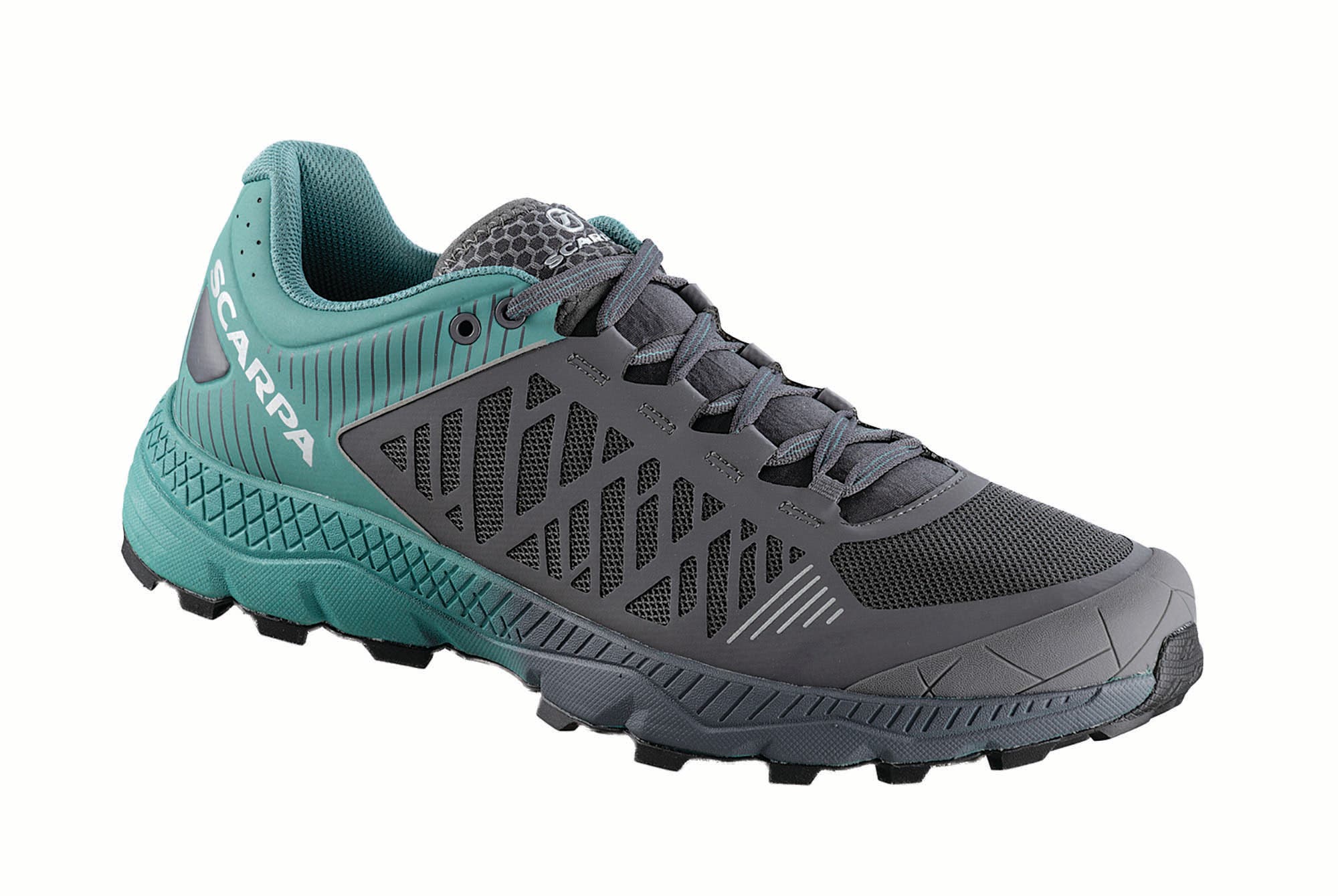
The SCARPA Spin Ultra ($150) has a dual-density EVA midsole that’s supportive enough for backpacking, and a 6mm drop to make trail runners happy.
Salomon Speedcross 5
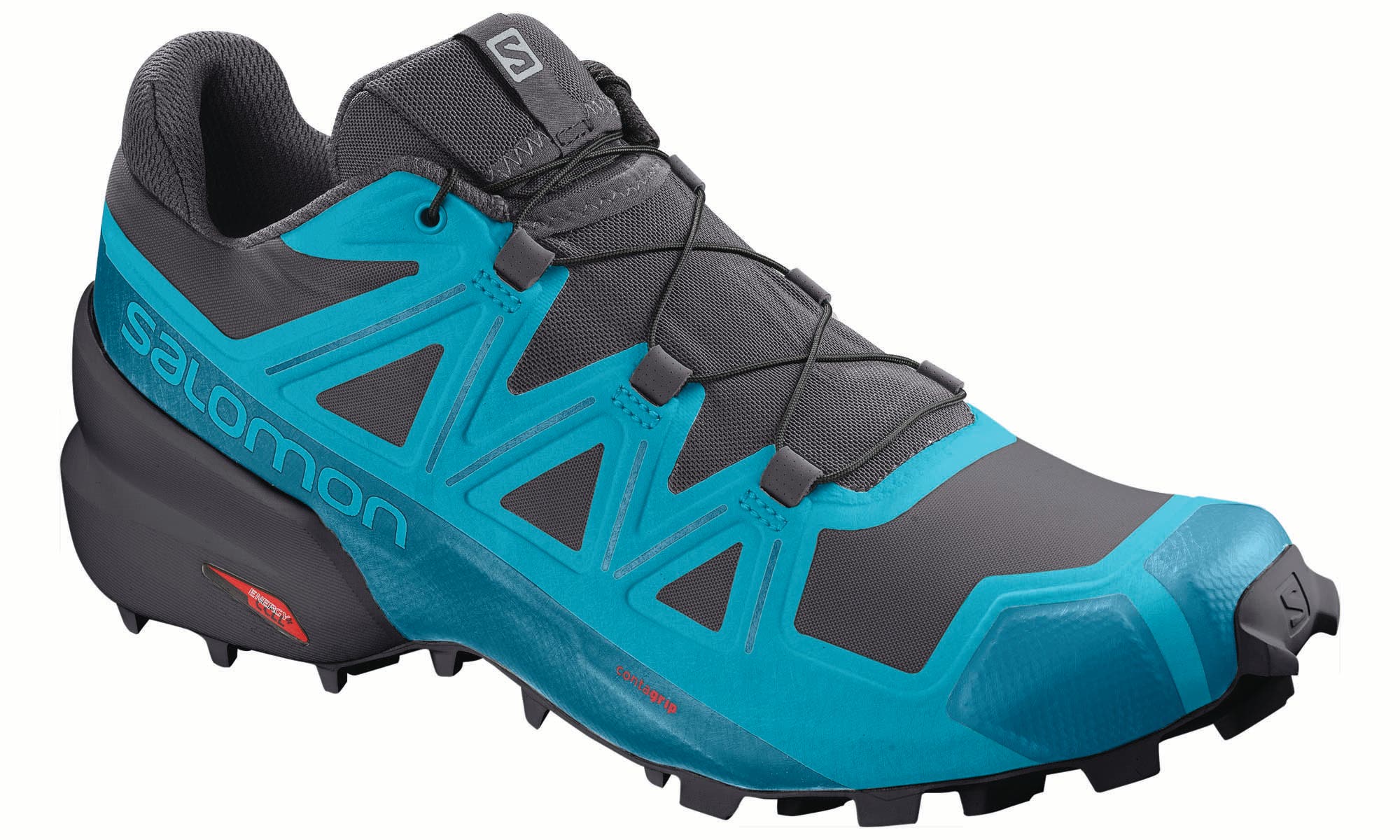
The Salomon Speedcross 5 ($130) has lugs that are perfect for wet, technical terrain and sits lightly on the scale at less than 1 pound, 8 ounces per pair.
Vasque Velocity AT
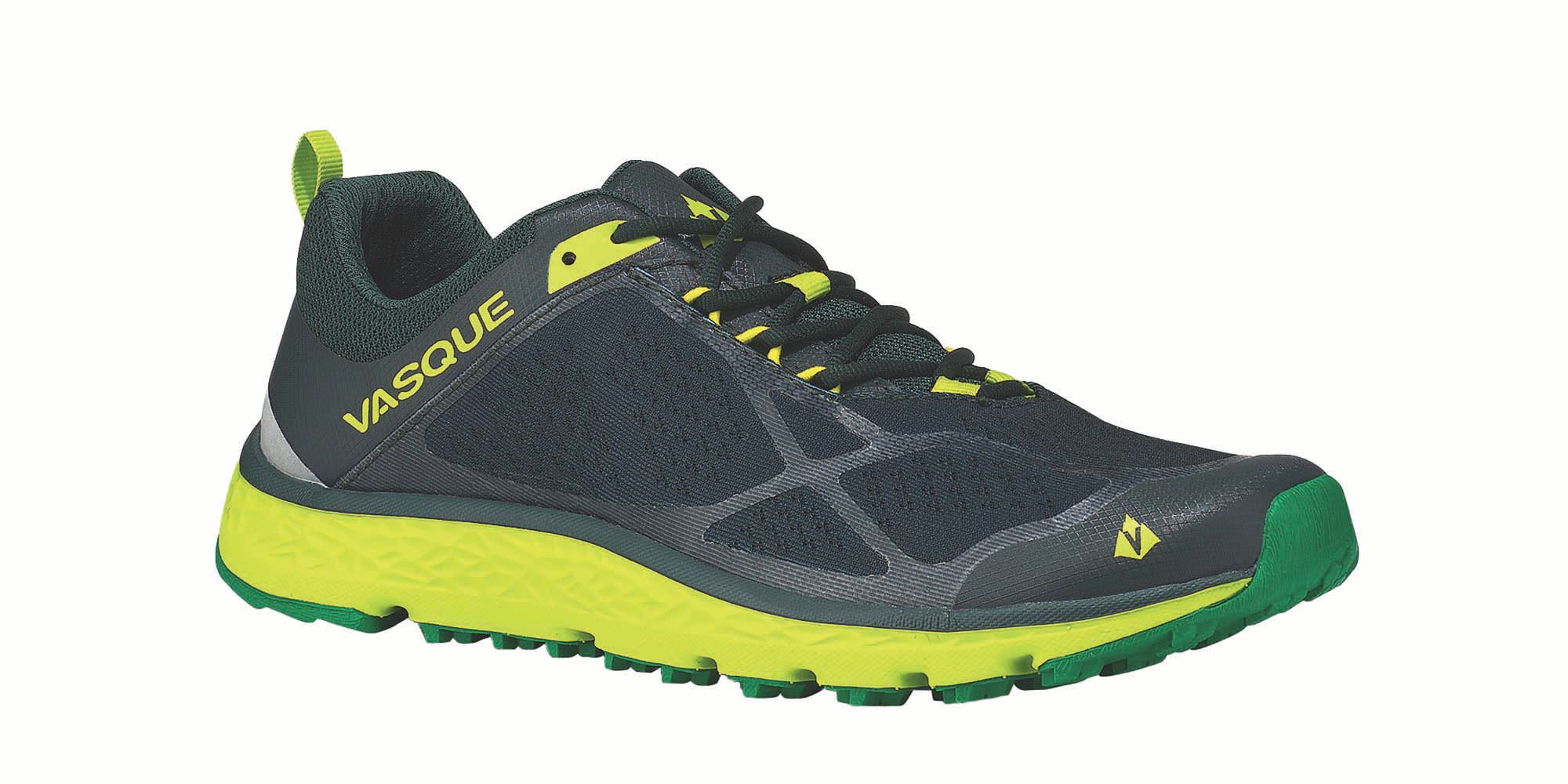
The Vasque Velocity AT ($120) has a proprietary EVA midsole with extra compression resistance for long-distance support and weighs in at just 1 pound, 5 ounces for the pair.
ADVERTISEMENT
La Sportiva Bushido
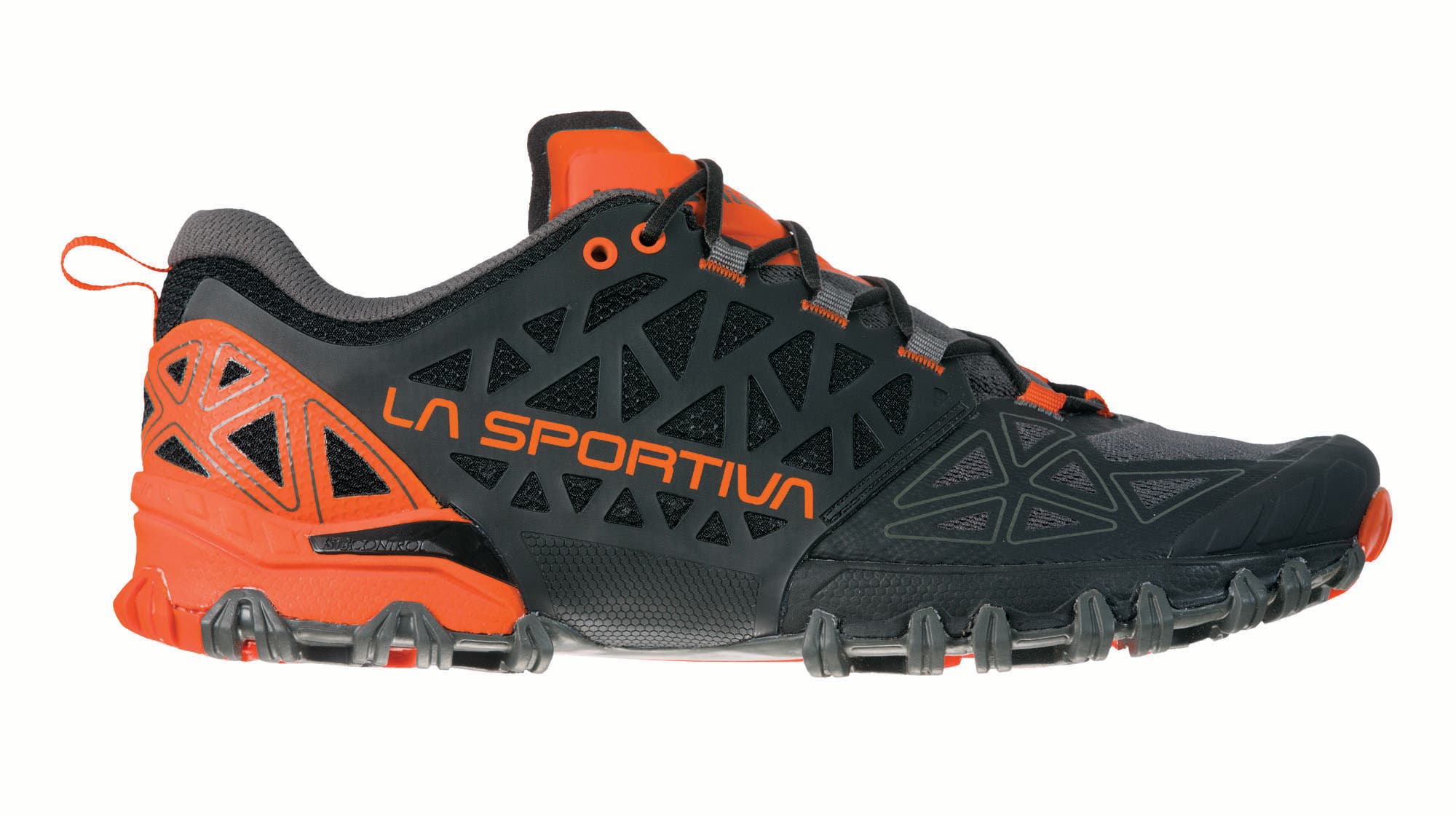
A 6mm drop gives the La Sportiva Bushido ($130) a natural feel, while the EVA rock guard in the forefoot protects feet from harsh ground.
Hoka One One Speedgoat 3
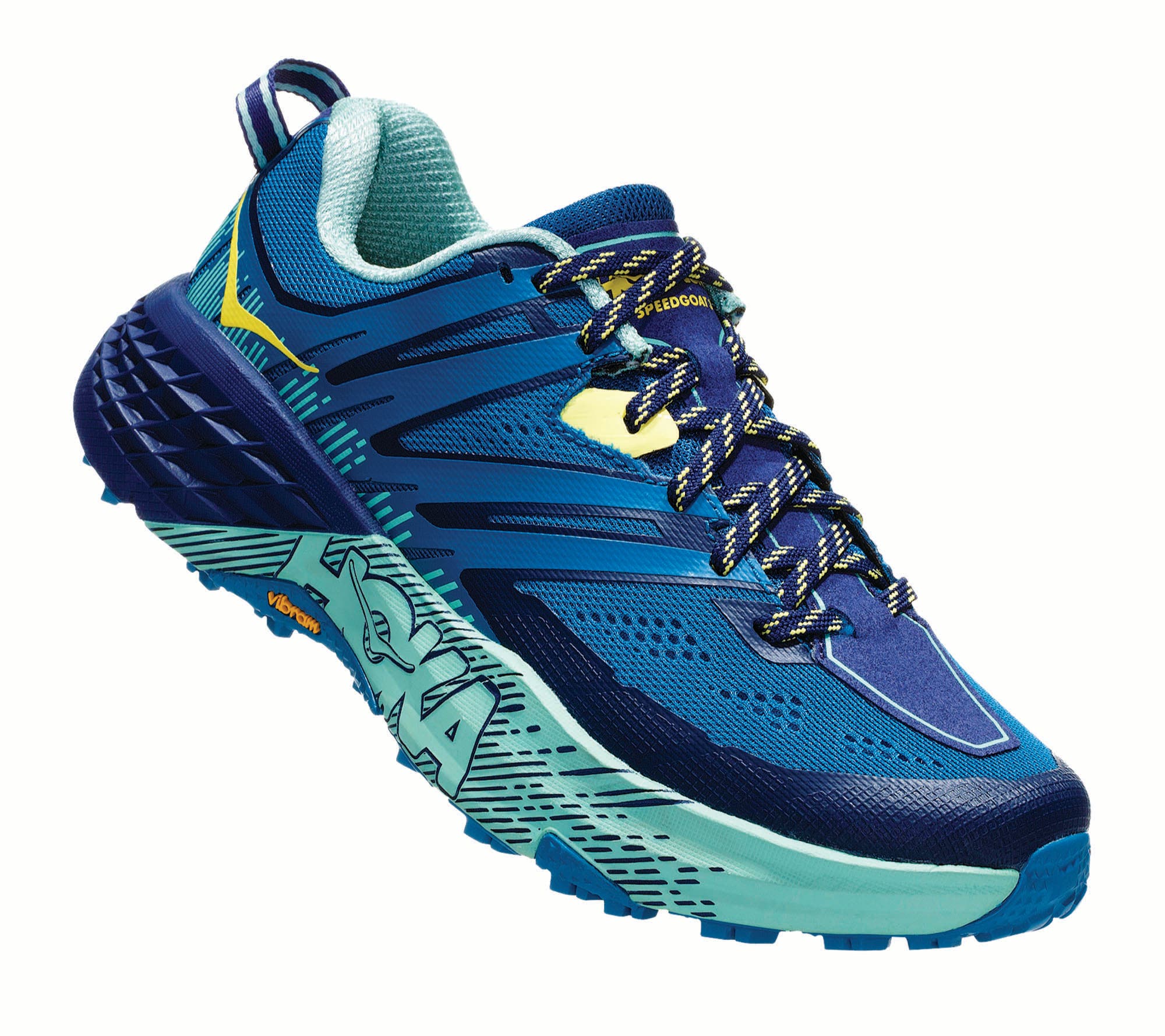
The Hoka One One Speedgoat 3 ($140) has an oversized EVA midsole and TPU overlay to keep feet comfy and secure on even the longest runs.
Trail Running Trends We Saw at Outdoor Retailer
Cross Fit
With backpacking gear getting lighter than ever, many backpackers carrying less than 30 pounds are trading their light hiking boots for trail runners, according to Brendan Madigan, owner of Alpenglow Sports in Tahoe City, California. “Customers see that they can drop the weight of their footwear and maintain a great level of support,” he says. Infused EVA or dual-density polyurethane midsoles with TPU stabilizers and rock plates make ultralight trail running shoes appetizing for customers who might never run a mile in them.
ADVERTISEMENT
Dropping Out
The fanfare around minimalist trail runners has subsided, according to Rob Singer, footwear buyer at Rock/Creek Outfitters in Chattanooga, Tennessee. “Zero-drop has settled down to 4- to 6-millimeter drop,” he says. This still gives runners the feeling of being barefoot without the steep learning curve of having to change their form in a zero-drop shoe. “People want a more natural stance when they’re running, and a 4- to 6-millimeter drop is the best of all worlds,” he says.
Building a Quiver
As trail running becomes increasingly popular, customers are buying multiple pairs of shoes to enhance their training regimen. “The race distances have broadened so that now one shoe doesn’t always cut it for training,” says Melissa McNell, footwear buyer at Outdoor Gear Exchange in Burlington, Vermont. By buying both an all-terrain shoe for long distances and a more technical shoe for training in particularly wet or difficult conditions, customers can dial in their performance.